
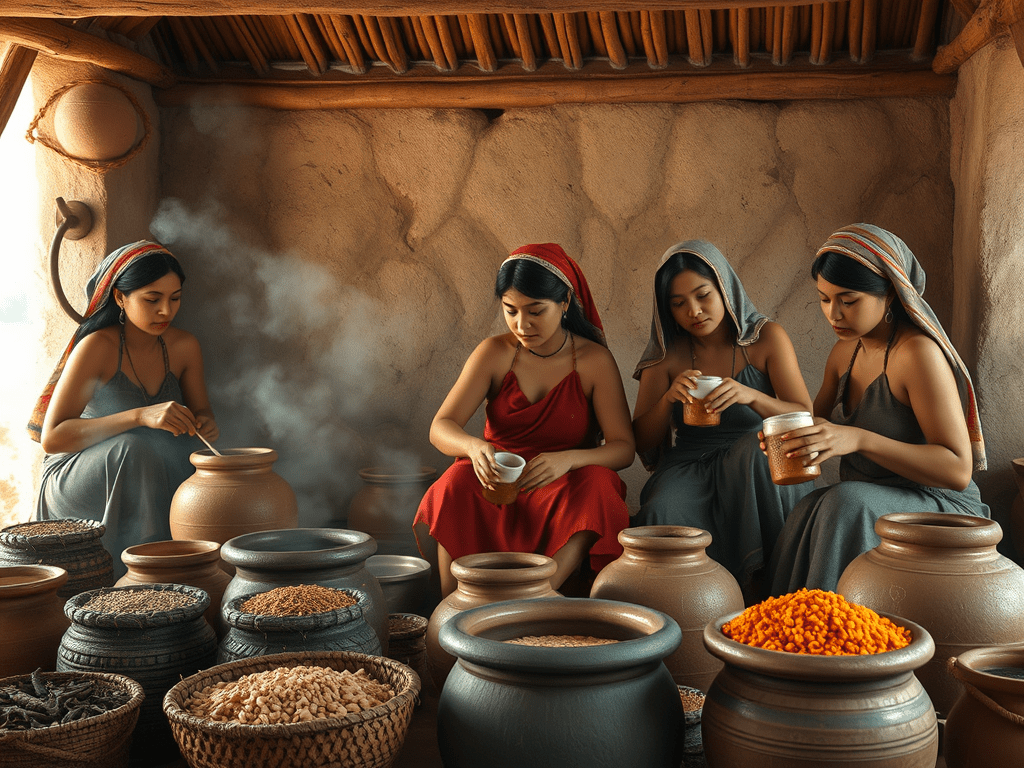
The next big thing in beer is actually very old — cloudy, sour, fermented in clay pots or woven baskets, sometimes with a handful of mystery grains and wild yeast caught from the air. Across Africa, Asia, and Latin America, brewers are reviving ancestral beers that long existed outside the shiny taproom spotlight. They’re earthy, funky, and often communal — meant to be shared, not branded.
In Ethiopia, women still brew tella, a dark, smoky beer made from barley, teff, and gesho leaves — the local stand-in for hops. In Mexico, pulque, once dismissed as a peasant drink, has returned to urban bars, thick and tangy with the taste of fermented agave sap. In the Philippines, tapuy, a sweet rice wine-beer hybrid once reserved for rituals, now appears in chic Manila gastropubs. Together, these drinks are rewriting the story of what beer can be — and who gets to make it.
Back to the Roots
The global craft beer movement has long thrived on novelty: hazy IPAs, dessert stouts, triple-hopped everything. But after two decades of chasing innovation, a quiet fatigue has set in. Brewers and drinkers alike are turning their gaze backward, toward fermentation traditions that existed long before stainless steel and sterilized yeast packets.
“Every culture has its own beer,” says Nairobi brewer and fermentation researcher Mwende Kimani. “It’s just that some were erased or never recorded. We’re trying to taste what history forgot.”
Kimani leads a collective reviving busaa, a traditional East African beer made from millet and maize. Once banned in colonial times and later dismissed as “unhygienic,” busaa is being reimagined for a new audience — still raw, still alive, but brewed with care and pride. “We don’t filter it. We don’t pasteurize. The flavor changes every day,” she says. “That’s the beauty — it’s never the same beer twice.”
The Wild and the Feminine
Many of these ancestral brews share one striking trait: they’ve traditionally been brewed by women. In Ethiopia, Tanzania, Peru, and South Korea, women were the original fermenters — their brewing spaces doubling as social and spiritual centers.
When modern craft brewing rose as a male-dominated industry, that lineage nearly disappeared. Now, women-led collectives are reclaiming it. “Fermentation was always women’s work — it’s in our hands, literally,” says Ana Morales, a Mexican brewer who makes pulque near Tlaxcala. “Industrial beer was designed for shelf life. Our beers are alive. They breathe.”
Pulquerías — old-school taverns once dismissed as rowdy relics — are thriving again, attracting younger crowds who crave authenticity over perfection. Morales credits social media for the shift. “People post a photo of pulque foam clinging to the glass and say, ‘This is our heritage.’ It’s powerful.”
Taste of Place
Unlike modern beer, ancestral brews rarely follow recipes. Their flavor depends on local grains, native yeasts, and the hands that make them. In many cases, fermentation vessels are porous, absorbing microbes from the environment that shape the drink’s unique identity.
“It’s terroir, but in liquid form,” says Filipino beverage consultant Miguel Ocampo, who works with small-scale tapuy producers in the Cordillera highlands. “You can’t reproduce this with imported yeast — it’s the taste of our mountains, our air, our rice.”
Ocampo believes tapuy’s revival reflects a deeper cultural longing. “People want to feel rooted again. Beer has become too global, too standardized. Fermentation connects us to time, to land, to each other.”
From Clay Pots to Taprooms
The challenge now is how to share these ancient drinks beyond their villages without stripping away what makes them special. Some brewers are experimenting with modern production methods that respect tradition while meeting health standards.
In Addis Ababa, a small start-up called “Tella House” offers traditional tella alongside coffee ceremonies. Their approach is minimal intervention — using the same ingredients and wooden barrels, but controlling for safety. In Mexico City, pulque bars are blending history with hospitality, offering tasting flights with local snacks and storytelling sessions about agave heritage.
These ventures don’t just sell drinks — they sell connection. Drinking tella or pulque isn’t about intoxication; it’s about belonging.
The Future Is Wild
Mainstream brewers are paying attention. Experimental breweries in Europe and the U.S. have started collaborating with indigenous communities to reinterpret ancestral styles — though not without criticism. The danger lies in appropriation: when heritage becomes a novelty label rather than a shared narrative.
Kimani, the Kenyan brewer, is cautious. “We don’t want our traditions turned into ‘exotic trends.’ It’s not about selling another craft product. It’s about reclaiming something that was ours.”
For drinkers, these ancient beers offer a welcome rebellion — against uniformity, against sanitized sameness. They remind us that fermentation was once unpredictable, communal, and beautifully imperfect.
When you take a sip of tella, busaa, or tapuy, you’re not just tasting a drink — you’re tasting continuity. A living culture that bubbles, sours, and renews itself with every batch.
In an industry obsessed with the next new thing, perhaps the most radical move is to go back to the beginning.




 Sure Media Magazine
Leave a comment