
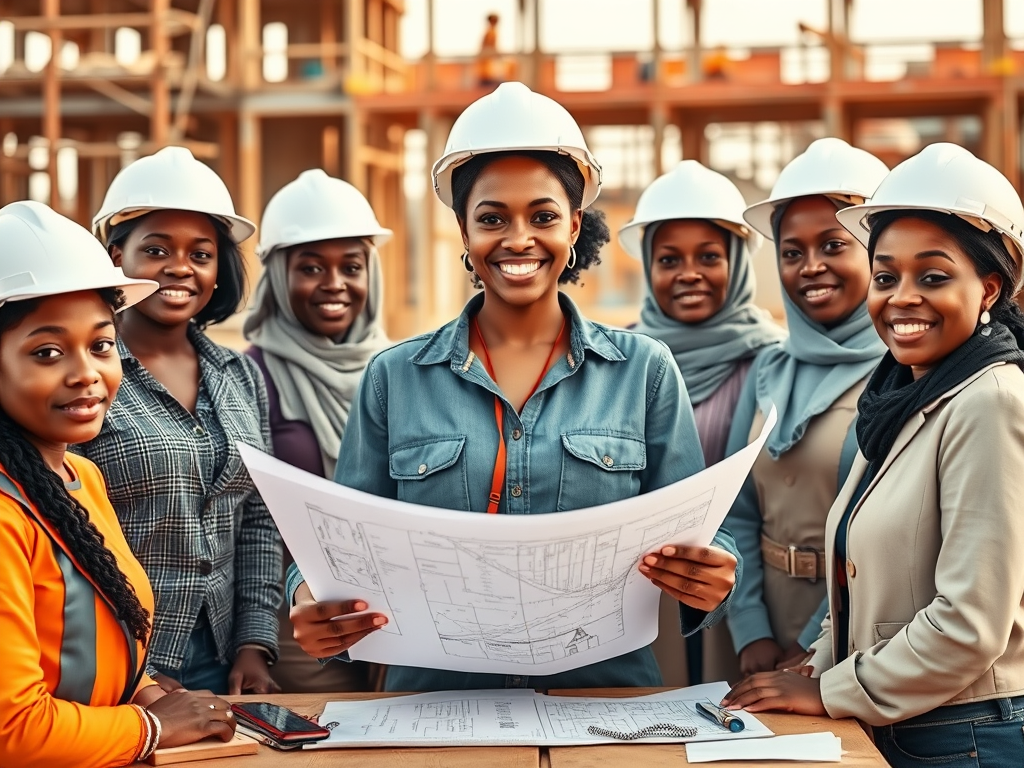
Architecture in Kenya has long been a boy’s club; a space where women were expected to play supporting roles, not lead. Draft, decorate, assist. But never direct.
When I recently expressed interest in working at a construction site for three months, the hiring authority smiled and said, almost casually, “We actually prefer male applicants.”
They wanted a man, they explained, because it would be easier for the male labourers to take instructions from a male project manager. Also because, quietly, they knew the dangers lurking in the shadows for a woman working on a site full of men. It was discrimination dressed up as concern, sexism softened by the language of safety.
A young engineering student I know; the only woman on her internship site, almost quit within a month. Not because she couldn’t handle the work, but because the daily catcalls and jokes wore her down. When she finally spoke up, her supervisor told her to get used to it.
That’s what women in architecture are often told – get used to it. The bias, the dismissal, the quiet rewriting of your work under someone else’s name.
Yes, we’ve had the first and second female presidents of the Architectural Association of Kenya (AAK). Milestones worth celebrating. But beneath those victories, everyday sexism remains the blueprint of the profession.
In studio meetings, I’ve seen women’s ideas discussed as if they weren’t in the room. On site, their competence is second-guessed until proven with drawings, measurements, or sheer persistence. And when they finally earn respect, it’s treated as an exception, not the norm.
Even within firms, women hold the structure together from behind the scenes. They coordinate contractors, polish details, meet deadlines others take credit for. It’s the kind of invisible work that keeps projects alive, yet disappears from the final report.
The Hidden Builders
But women have always built – literally. In Kenya’s pastoralist communities; from the Oromo to the Maasai, women are the primary builders of homes. They gather, weave, and shape shelters with a grace and dexterity that no man could imitate.
Across rural Kenya, women-led self-help groups construct classrooms, community centres, and water projects – often without formal training, yet with astonishing precision. In cities, women architects, designers, and site fundis continue that lineage. They shape homes and spaces that mirror the resilience of their makers.
They may not always cut the ribbons, but they are the hands – and hearts – that keep Kenya’s built environment standing.
Redesigning the Profession
Change won’t come from counting how many women sit in boardrooms. It will come from redesigning the profession itself; making the sites, the studios, and the classrooms safer for those coming after us.
We need mentorship that uplifts rather than tests endurance, and leadership that values empathy as much as ego. Architecture should not be a test of how much disrespect one can withstand before quitting.
Every structure tells a story about who belongs.
For decades, the blueprint of Kenyan architecture told women they didn’t. But with every site visit, every sketch, every young woman refusing to quit, the lines are being redrawn. And this time, they include us.







 Sure Media Magazine
Leave a comment