
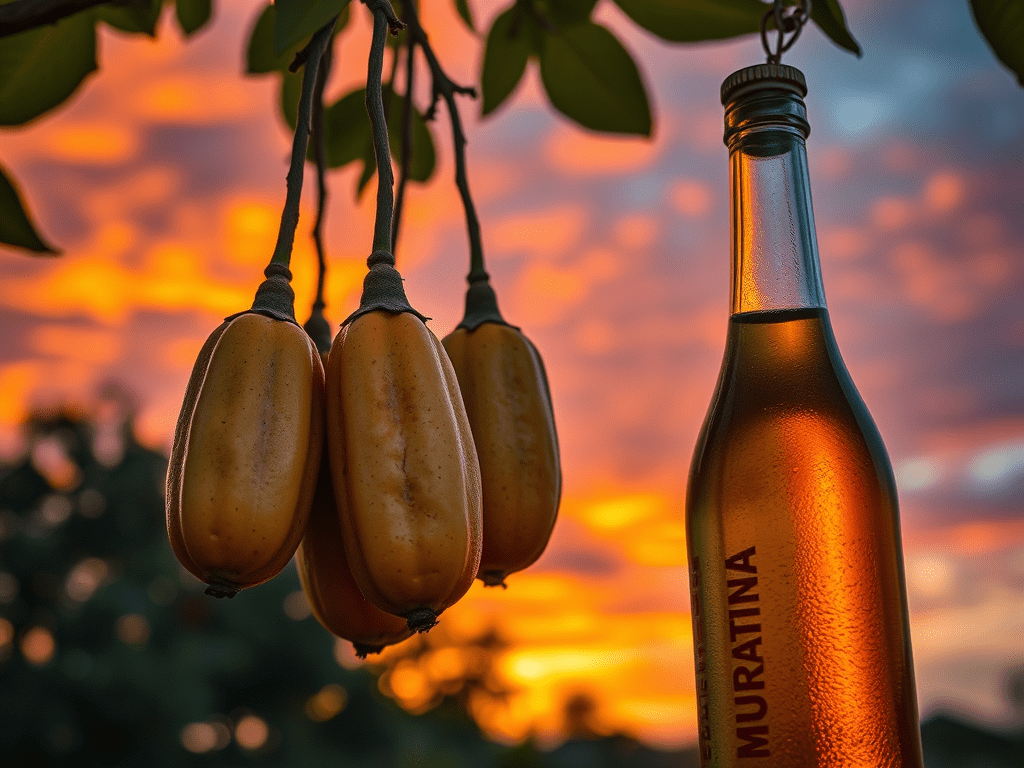
Once condemned as a ‘native vice’ or illicit and hidden from colonial eyes, muratina—a tangy fermented brew from Kenya’s sausage tree fruit—has bounced back as a proud cultural symbol. Now, with legal nods and budding exports, it’s whispering of global potential, much like Kenya’s famous coffee or tea. The answer is tentative but promising.

Imagine the sharp, fruity bite of a drink that’s equal parts history and homecoming. That’s muratina for you—a traditional Kenyan brew made from the dried fruit (Muratina) of the sausage tree (Kigelia africana), mixed with sugarcane or honey, and left to ferment into something that’s not quite beer, not quite wine, but wholly Kenyan. Brewed by the Kikuyu people for centuries, it’s tied to rituals like weddings or reconciliations, where sharing a calabash seals bonds over its earthy fizz. But this isn’t just a cozy tale; the muratina revival shows how a once-banned sip is stepping into the spotlight, blending nostalgia with new opportunities. Let’s trace its path from shadowed pots to shiny bottles.
Under Colonial Shadows: The Ban That Brewed Resentment
Back in the early 1900s, when British colonials ruled Kenya, muratina wasn’t seen as cultural gold—it was labelled a menace. Laws like the 1921 Native Liquor Ordinance clamped down on traditional brews, calling them tools for ‘native vice’ that stirred unrest. The idea? Control the locals by pushing European gin and beer, while banning home ferments to fill colonial coffers. Picture elders sneaking brews in hidden groves, the air thick with sausage fruit’s musty scent, all while dodging patrols. It wasn’t just about alcohol; it was moral politics, painting African traditions as backward to justify rule.
Young folks were kept away, but the brew persisted underground, a quiet act of defiance. One story goes: During land disputes, communities would sip muratina to rally spirits before facing authorities. This ban lingered post-independence, with muratina lumped in with illicit chang’aa until recent years. It’s a reminder that what we drink often carries the weight of who gets to decide what’s ‘proper.’ If only the colonials knew their crackdown would one day fuel a comeback story.
A Cultural Comeback
In recent years, muratina’s status became the subject of legal debate. In 2025, a Kenyan court ruled that brewing it for traditional ceremonies isn’t illegal per se, recognizing it as core to Gikuyu customs an the Alcohol Drinks Control Act (2010) regulates traditional drinks rather than banning them outright. This nod came after years of pushback against outdated laws, letting communities revive old ways without fear. Now, at festivals or family gatherings, the brew flows freely—its sour kick from fermented fruit mingling with laughter and stories.
Revival has multiple faces and isn’t just sentimental; it’s practical. Some elders insist on the old ways: brewed in gourds, served in cattle horns, used in ceremonies. Others experiment. Craft brewers and entrepreneurs are bottling muratina, refining flavours, and adapting methods for hygiene and shelf. Makers may vary their techniques, some use honey and sun dried fruit, while others blend local yeast cultures for consistent fermentation. The modern presentation shifts the drink from private ritual to public tasting room – without erasing ritual meaning. Slow Food and cultural organizations have documented recipes and urged preservation of traditional waste while permitting safe commercial packaging. (Slow Food Ark of Taste). Not everyone’s on board; some worry revival could lead to over indulgence if not handled with care.
Muratina’s Leap to Global Markets
Here’s where it gets exciting—muratina’s eyeing the world stage. A UK-based Kenyan launched Muratelia, a bottled version, hitting London shelves in 2021 and sparking curiosity among curry lovers and cocktail fans. With 12% alcohol and exotic fruit notes, it’s pitched as a velvet sip for red meats or salads. Exports started small—8,000 bottles from 1,000 litres—but interest grows, especially in diaspora spots like Ontario, where Kikuyu transplants brew it for homesick hearts.

Could it rival Kenya’s coffee or tea exports? Those crops succeeded because they fit export systems: consistent supply, commodity markets, and long-established trade channels. Muratina faces a different path. It is small-batch, place-based, and wrapped in cultural protocol. That makes scale tricky, but not impossible. Maybe. For muratina to export at scale, some pieces must fall into place: standardized, hygienic production methods; fair benefit sharing with communities; and marketing that respects ritual context rather than exoticizes it. Early moves show promise.
The global fermented drinks market is booming, hitting $100 billion, with folks chasing probiotics and unique flavors. Muratina fits—its natural ferment could appeal to wellness crowds, like kombucha with a cultural twist. Startups are exploring non-alcoholic takes for wider appeal, sourcing sustainably to support farmers. Yet, challenges loom: Navigating export rules, scaling without losing authenticity, and avoiding the pitfalls that turned other traditions into fads.
Tensions and Ethical Questions
There is a tension between commercialization and cultural protection. Bottling muratina can bring income, but it may also strip context. Tourists or consumers might consume it as novelty unless exporters emphasize provenance and ceremony. There is also the risk of resource pressure: if global demand rises, will local communities be able to control supply and pricing? Who gains when a sacred drink becomes a product label?
Community-led frameworks help. When elders, producers, and entrepreneurs agree on fair practices—branding that credits origin, profit sharing, and cultural protocols—commercialization can support rather than displace tradition. Slow Food’s Ark of Taste and similar programs offer models for protecting heritage foods while enabling market access.
Legacy and Looking Ahead
Muratina’s journey from ban to buzz is a tale of resilience, where a simple fruit brew outlasted empires. It’s woven into Kenyan identity, reminding us of creativity in tough times. Globally, it could introduce the world to East African flavors, boosting tourism or trade. But let’s not overclaim—success depends on respectful growth, not rushed hype.
Muratina’s revival honors the past while eyeing tomorrow, but it needs community-led steps to thrive without dilution. Curious? Hunt down a safe batch or support local makers. That approach may transform muratina from a curiosity into a lasting cultural export.





 Sure Media Magazine
Leave a comment