

By Daniel November 05, 2025
Each time I walk the dry trails around home, something about the ground below just clicks. This isn’t mere mud – more like an old book breathing stories through roots and cracks. Most people see dirt as that gunky mess stuck on shoes when rain hits hard. Yet if you slow down, it whispers secrets about coming back stronger after falling apart. With weather going sideways and green places vanishing fast, this patchy earth? Not scenery – it’s a mirror showing where life’s headed next.
The Thriving World Hidden in Soil
A spoonful of rich earth might hold more living microbes than people on Earth over eight billion, maybe even more. Bacteria, fungi, and mini beasts work together, sometimes teaming up, other times acting alone, turning dead stuff into food for roots. Down below, it’s busy a hidden web where rot becomes fuel. What dies feeds what grows, keeping forests, bugs, and big animals going.
I recall stumbling onto this thought at a local gathering out in the Kenyan countryside. A researcher grabbed a clump of dirt, held it high, claiming, “It breathes – eats, changes, lives.” That moment twisted everything I’d assumed. Day after day we walk across it, then slap down asphalt, pour on poisons, churn it nonstop – as if it’ll never run dry. Still, ground beneath us isn’t dead space – it pulses. When full of energy, it brings plenty. If worn out, everything living falls apart.

Rich fertile soil teeming with life and nutrients
The Quiet Emergency Unfolding Below
Right now, experts say about 36 billion metric tons of fertile dirt vanish every year because land gets stripped bare, forests disappear, or chemicals wreck the ground. Around 1.7 billion folks feel this impact – crops don’t grow as well in worn-out zones, dropping harvests roughly one-tenth, especially across crowded parts of Asia where damage piles up over time. Think of it like peeling off nature’s outer shield – the fragile surface where plants actually start living. Scientists predict soil wash could jump between a third and two-thirds more by mid-century depending on how bad weather shifts get, possibly wiping out nearly three-quarters of a trillion bucks worth of farming strength.
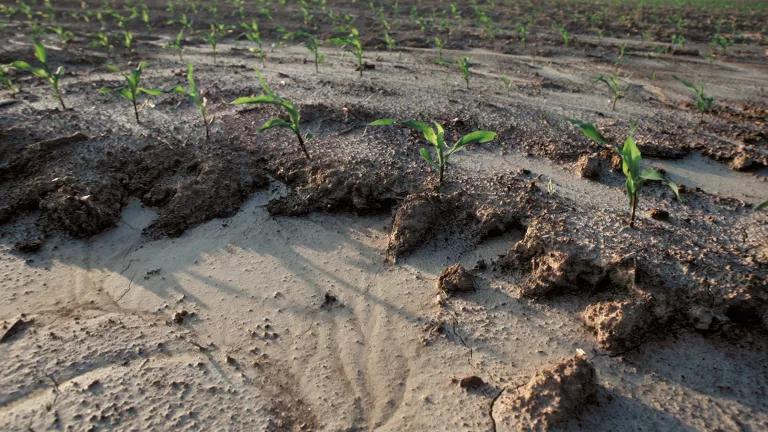
I’ve seen it myself out in rural Kenya. Where crops used to thrive, dry earth now splits open – tired from years of constant farming with no break between seasons. When rain finally comes, it tears deep cuts across the land, washing dirt into streams already jammed with muck. Folks who farm just look at the clouds these days, waiting on drops that don’t come like they used to because storms can’t decide when or if to show up. Earth doesn’t shout – it talks low through sunbaked cracks, sighs in late rains, aches quietly as life drains away. Are we listening yet?
Soil as a Climate Guardian and Warning Sign
Here’s when things turn surprising: good earth traps close to triple the carbon compared to every plant on land put together, working like a built-in climate brake against rising temperatures. Trees get attention for holding carbon, yet dirt outdoes them, stashing planet-warming gases that’d likely boost extreme weather instead. Fresh research shows nearly all land-based carbon capture settles into ground and lakes, canceling around a third of CO₂ released by people.
Still, once damaged, dirt shifts roles – spilling trapped carbon while making climate problems worse. Broken areas don’t just sit alone – they signal trouble for the whole Earth. Had we seen soil as something rare, like gold or silver, we’d have noticed real wealth hides in that loose, black stuff feeding our crops. Chats online, especially on X, point out how pressing this is – IUCN’s latest move, Resolution 007, pushes for worldwide rules to protect soil, tackling species loss, warming skies, and hunger together.
Echoes of Ancestral Insight
Centuries back, long before tiny lenses exposed dirt’s hidden world, native groups honored earth deeply. Across Ethiopia’s Konso highlands, villagers shaped stepped fields using old rock barriers – curbing land loss while boosting growth, a method feeding families for ages. Dirt wasn’t something to sell; it held spirit, tying present souls to those who came before.
An old man from Machakos told me during a simple dinner of ugali, ‘The soil remembers where we walked long after we forget.’ Before planting seeds, he’d quietly say gratitude, treating the dirt like family that fed generations. These customs are vanishing now machines plow deeper, yet they teach one truth – care for the earth, and it gives back just the same. Research backs this up, pointing out how native practices across areas such as Nigeria’s moist regions improve earth health by watching its look and feel.
| Indigenous Soil Practices in Africa | Description | Benefits |
|---|---|---|
| Konso Terracing (Ethiopia) | Stone walls on slopes to prevent runoff | Reduces erosion by up to 50%, retains moisture for crops |
| Zaï Pits (Sahel Region) | Small holes filled with manure to capture water | Improves soil fertility, boosts yields in arid areas by 30-100% |
| Crop Rotation (North West Province, South Africa) | Alternating crops with legumes | Enhances nutrient cycling, reduces pest buildup |
This table draws from documented practices, illustrating how ancestral wisdom aligns with modern sustainability.
Revival Through Care: Stories of Renewal
Soil’s toughness is mind-blowing – give it a bit of care, yet it bounces back strong. Instead of heavy plowing or chemical fixes, farming that works with nature uses cover plants, less digging, plus natural feeds – this shift is healing dirt worldwide. Take Thai jasmine rice growers teaming up with Unilever – they switched tactics, so they now use way less water, but harvest more cash and crops at once. Over in India, Cargill linked up with around a thousand growers who boosted production by nearly a fifth just by feeding the soil right. Even Canada, where climate forecasts warn of worse erosion ahead, might keep damage down to 4–6 metric tons each hectare yearly by century’s end – if smart land habits catch on fast enough.
In a small Kenyan village I saw, women transformed empty land into green space by piling on compost and old plant cover – not magic, just hard work. One woman grinned; dirt crusted deep in her palms – “Feels like we’re waking up the soil again.” Crops started thriving, the ground turning rich and black from care. This isn’t about charts or reports; it’s people listening closely, staying steady, mixing smart methods with real emotion. Around the world lately – including through pushes like IUCN’s latest move – there’s growing focus on bringing together different groups to guard farmland, especially honoring local wisdom when healing worn-out earth.

Soil Regeneration: principles of restoring healthy soil 🍃
The Prophecy in the Dirt
Push your hand into the dirt, yet feel how time moves slow – a rhythm machines can’t copy. It whispers something real: humans belong here, tied to earth, never above it. What comes next? Healthy ground gives healthy lives; when soil fails, so do we. Staying alive depends on this balance – what grows from soil shapes what’s on our plate, in our rivers, even the air we breathe. If nearly all land faces damage by mid-century, fixing a tenth might feed an extra 154 million each year.
We aim high – skyscrapers, space trips, ambitions – but forget what lies beneath. Earth tells a quiet story: the overlooked life giver. It speaks softly: care for me or lose my support. Can we listen while its voice still lingers?




 Sure Media Magazine
Leave a comment