
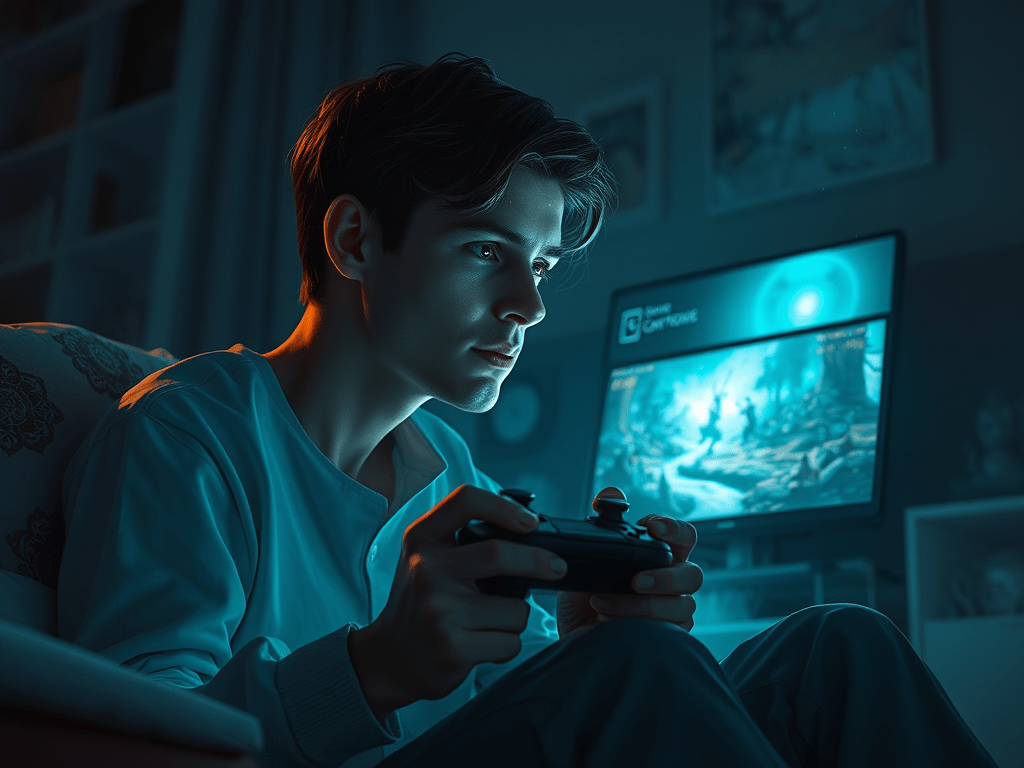
I still wake up tasting paint.Clair Obscur: Expedition 33 left me on the floor, ugly-crying while a silent duel bled grief across the screen no words, just 3 million strangers on Twitch holding their breath with me.
I thought nothing could hurt worse.Then Split Fiction handed the controller to my best friend and whispered: “Break each other to save each other.”Fifteen hours later we were hugging through tears because Zoe and Mio’s final choice wasn’t about winning it was admitting we’re terrified of being left behind.
Silent Hill f made me pause just to breathe.The fog didn’t scare me.The guilt did.I tasted rust and remembered every text I never sent back.Blue Prince taught me some doors only open when you forgive yourself for walking away.Room 46 rolled credits twice and still the mansion whispered, “One more run.”I chased ghosts for 200 hours and learned sorrow isn’t a bug; it’s the feature.
Cabernet turned every sip into a confession: “I’m still human… aren’t I?”Wanderstop let me brew tea for strangers who looked exactly like the parts of me I’d burned out.One customer left and I stared at an empty bench for ten real minutes, whispering “thank you for stopping” to nobody.
These aren’t games.They’re therapy sessions disguised as save points.They hand you the pen, the blade, the teacup—and dare you to bleed pixels.Cinema sits you in the dark.2025 dragged me onto the stage, handed me the spotlight, and said:
“Your turn to scream.”I screamed.I sobbed.I healed a little.YOUR TURNWhich 2025 game cracked you open?Reply with the exact moment that wrecked you.I’ll be here tissues ready, controller still warm.




 Sure Media Magazine
Leave a comment