

Introduction
As of November 2, 2025, discussions surrounding homicides in Tanzania predominantly center on the aftermath of the October 29, 2025, general elections. These events have led to widespread protests, resulting in multiple fatalities attributed to clashes between demonstrators and security forces. While Tanzania maintains a relatively moderate intentional homicide rate of approximately 4.5 per 100,000 people based on 2019 data, recent political unrest has escalated concerns over state-sanctioned violence and its implications for public safety. This analysis examines the context, reported death tolls, and broader ramifications of these incidents.
Tanzania election protests leave hundreds dead, main opposition …
Background on Tanzania’s Electoral Process and Rising Tensions
Tanzania’s elections on October 29, 2025, saw incumbent President Samia Suluhu Hassan of the Chama Cha Mapinduzi (CCM) party secure a landslide victory, reportedly garnering over 98% of the vote. However, opposition parties, including Chadema, have contested the results, alleging widespread irregularities such as ballot stuffing, voter intimidation, and the exclusion of key challengers. President Hassan ascended to power in 2021 following the death of her predecessor, John Magufuli, and has faced internal party opposition while implementing reforms aimed at economic stabilization.
The protests erupted immediately after the polls, intensifying on October 30 and 31, 2025, in major cities like Dar es Salaam and Dodoma. Demonstrators, primarily supporters of opposition figures such as Tundu Lissu, have demanded electoral transparency and an independent audit of the results. Security forces responded with tear gas, live ammunition, and curfews, leading to accusations of excessive force.
Reported Fatalities and Discrepancies in Death Toll
Estimates of the death toll vary significantly, reflecting challenges in verification due to a nationwide internet shutdown and restricted media access. The United Nations has cited credible reports of at least 10 fatalities, primarily from gunshot wounds inflicted by police during crowd dispersals. Opposition leaders, however, assert that the number exceeds hundreds, encompassing killings during overnight curfews and in remote areas. For instance, in one incident on October 30, officials confirmed two deaths from police gunfire, while opposition sources claimed up to 13 in the same event.
The Tanzanian government has downplayed these figures, describing opposition claims as “hugely exaggerated” and maintaining that no excessive force was employed. Social media posts from Tanzanian users highlight ongoing fears, with calls for international intervention from bodies like the International Criminal Court (ICC) due to perceived mass murders meeting thresholds for investigation.
In a separate incident unrelated to the protests, reports from Papua indicate the arrest of a suspect in a machete attack that killed a police officer, though this appears isolated and not directly linked to Tanzanian events. As of November 2, no new homicides were explicitly reported on this date, but the situation remains volatile with lingering protests.

More protests in Dar es Salaam after chaotic Tanzanian election …
International Response and Human Rights Concerns
The United Nations has urged restraint and called for independent investigations into the deaths, emphasizing the need for accountability to prevent further escalation. The United States and European Union have expressed concerns over electoral integrity, with potential implications for foreign aid and diplomatic relations. Human rights organizations, including Amnesty International, have documented patterns of violence reminiscent of past Tanzanian elections, where similar protests led to fatalities.
Social media discourse underscores public disillusionment, with users accusing the administration of perpetuating poverty and suppressing dissent through lethal means. The UNFPA has advised against coercive measures, advocating instead for addressing underlying issues such as governance and gender norms, though not directly tied to this crisis.
Broader Implications for Tanzania’s Stability
These homicides, framed within political violence, highlight deeper societal fractures in Tanzania, a nation historically viewed as stable in East Africa. The intentional homicide rate, while lower than the global average of 7.9 per 100,000, could rise if unrest persists. Economic disruptions from protests, including business closures and tourism declines, exacerbate vulnerabilities.
Sustainable resolution requires dialogue between the government and opposition, potentially mediated by regional bodies like the African Union. Without such measures, the risk of additional fatalities remains elevated.
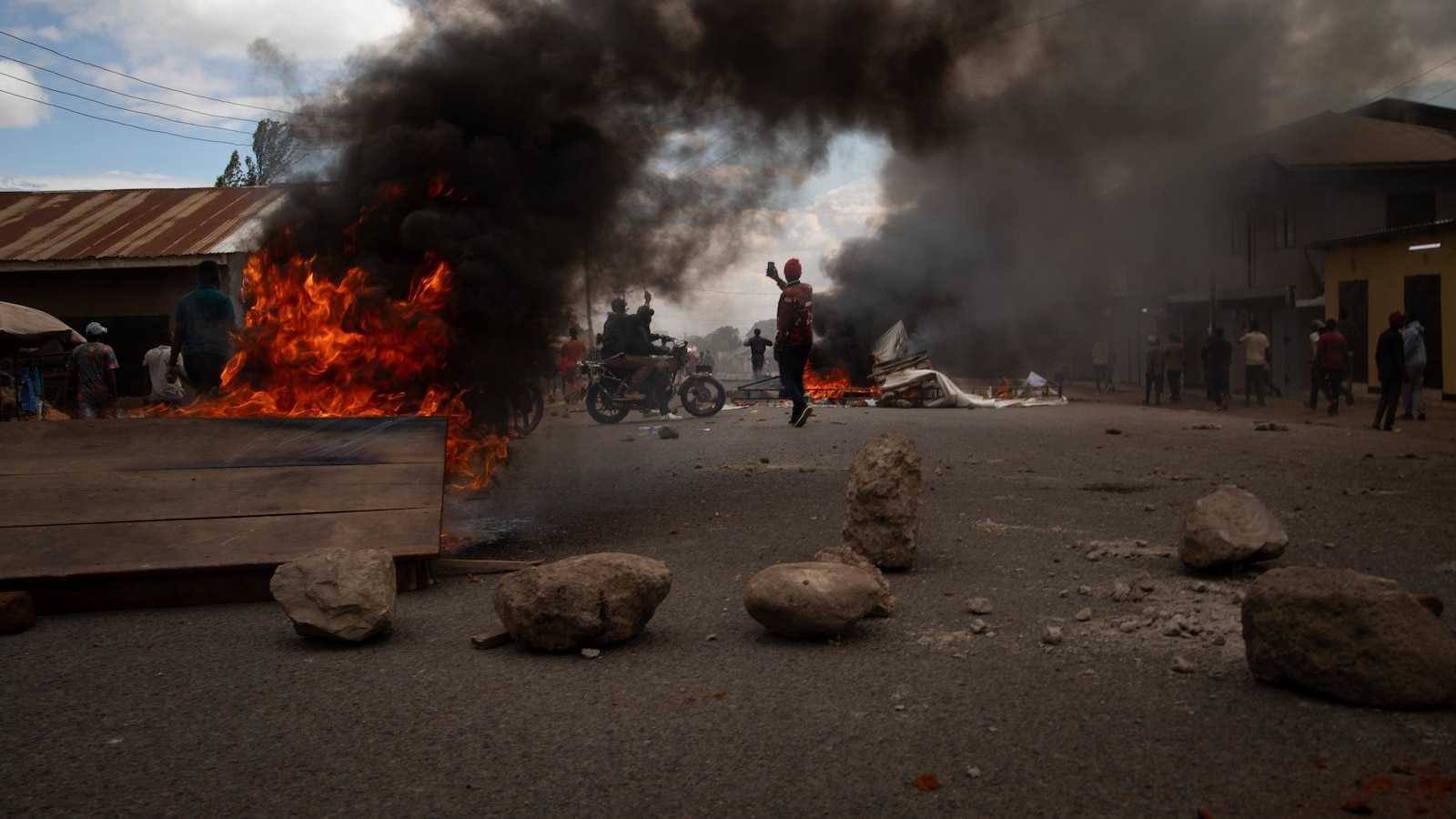
What to know about a disputed election in Tanzania, where single …
Conclusion
The homicides reported in Tanzania as of November 2, 2025, stem primarily from election-related protests, with death tolls ranging from official figures of at least 10 to opposition estimates in the hundreds. This disparity underscores the challenges in ascertaining facts amid information blackouts. Policymakers and international observers must prioritize transparent investigations to foster accountability and prevent recurrence, ensuring that democratic processes do not devolve into cycles of violence





 Sure Media Magazine
Leave a comment