
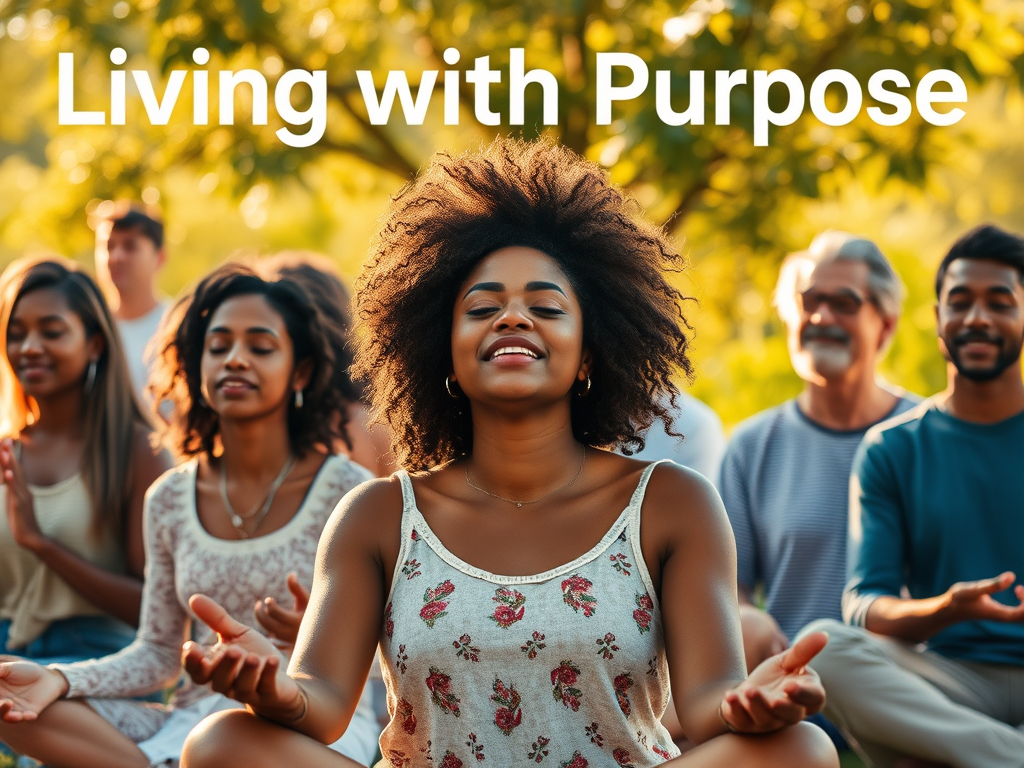
For many people, wellness is often portrayed as a flawless image of health: sunrise yoga, organic meals, fitness trackers, and picture-perfect routines. Yet for millions living with chronic illnesses such as arthritis, psoriasis, diabetes, and multiple sclerosis, wellness looks very different. It is not about chasing an ideal but learning to live meaningfully within the realities of one’s condition.
Across the world, people managing chronic conditions are quietly reshaping the wellness conversation. Through online communities, advocacy networks, and new self-care practices, they are moving beyond a medicalized definition of health toward one centered on resilience, acceptance, and purpose. This shift challenges the long-standing belief that wellness equals the absence of illness. Instead, it redefines it as the presence of agency, understanding, and self-compassion.
“I stopped measuring wellness by how symptom-free I was,” says Lydia, a 34-year-old living with multiple sclerosis. “Now it is about how connected I feel to myself, how well I manage my energy, and whether I can do something that makes me smile each day.”
Lydia’s reflection captures a growing sentiment among people living with long-term health conditions. The traditional notion of wellness, focused on prevention and optimization, rarely includes those whose bodies resist control. But in redefining what it means to be well, many are discovering that health is not a fixed state; it is a process of adaptation and growth.
The Shift from Cure to Care
Historically, medical narratives have prioritized cure over care, focusing on eliminating symptoms rather than improving quality of life. This approach left many patients feeling unseen, as though their value depended on recovery. But chronic illness rarely offers a definitive cure, only management. Recognizing this has prompted a cultural shift: a move toward care, community, and informed self-management.
According to the World Health Organization, self-management education significantly improves both physical and emotional outcomes for people living with chronic conditions. Such education encourages individuals to understand their symptoms, monitor their triggers, and communicate effectively with healthcare providers. Rather than feeling powerless, patients become active participants in their own well-being.
Similarly, a 2023 study by the Centers for Disease Control and Prevention found that social support, mindfulness, and structured exercise programs contribute to reduced stress and improved overall quality of life for people with chronic illnesses. The evidence is clear: wellness is less about erasing pain and more about creating conditions for life to remain meaningful despite it.
Technology and Connection
Technology is playing a crucial role in this transformation. From symptom-tracking apps to virtual therapy platforms, digital tools are helping patients monitor progress, connect with medical professionals, and find peer support across continents. Communities on platforms such as Facebook and Reddit have become invaluable spaces for people to share advice, frustrations, and encouragement.

Telemedicine, now a cornerstone of modern healthcare, has made chronic illness management more accessible and less isolating. A 2024 report from Health Affairs noted that regular teleconsultations reduce emergency visits and increase treatment adherence among chronic patients. This data underscores how technology can foster not only access to care but also emotional connection.
However, experts caution that technology should complement, not replace, human relationships. “Digital tools are only as effective as the empathy behind them,” says Dr. Mira Patel, a London-based wellness psychologist. “What patients need most is validation—knowing that their experiences are real and that wellness is still possible in their context.”
The Power of Storytelling and Advocacy
Another force driving change is storytelling. By sharing their experiences, people with chronic illnesses are dismantling stigma and humanizing conditions once discussed only in clinical terms. Social media campaigns, podcasts, and patient-led blogs are reframing illness as a spectrum of resilience and self-discovery.
This narrative shift also influences policy and industry practices. Pharmaceutical companies, wellness brands, and healthcare startups are increasingly collaborating with patient advocates to design products and campaigns that reflect real experiences rather than idealized health imagery. These partnerships not only promote inclusivity but also strengthen the authenticity of the global wellness market, now valued at over $5.6 trillion according to the Global Wellness Institute.
Redefining Success and Self-Worth
Living with a chronic condition often forces individuals to renegotiate their definitions of success. Instead of tying identity to productivity, many are finding empowerment in slower, more intentional living. Small victories like completing a task, managing a symptom flare-up, or simply getting through the day become milestones of strength rather than compromise.
Experts suggest that this mindset shift aligns with broader cultural movements toward mental well-being and sustainable living. As societies begin to reject hustle culture and burnout, the chronic illness community offers valuable lessons about pacing, acceptance, and the dignity of rest.
“Chronic illness teaches us patience,” says Dr. Patel. “It reminds us that progress is not always linear and that healing can mean harmony, not perfection.”
A Global Conversation
What makes this movement particularly powerful is its universality. Whether in Nairobi, New York, or New Delhi, people living with chronic illness are asking the same questions: How can I live fully in a body that limits me? How can I find joy without pretending I am not in pain?
This global dialogue transcends healthcare systems and cultures. It invites a new understanding of wellness; one rooted in empathy, adaptability, and shared humanity. By embracing imperfection and prioritizing mental health alongside physical care, individuals are reclaiming the narrative of what it means to be healthy.
Living Well, Not Perfectly
As Lydia reflects on her journey, she acknowledges that every day brings uncertainty, but also growth. “My condition no longer defines me,” she says. “It teaches me. I have learned to live with intention, to rest without guilt, and to celebrate my own kind of strength.”
Her words resonate beyond illness. They remind us that wellness is not an exclusive pursuit for the able-bodied or the symptom-free. It is a universal act of self-respect, a daily choice to nurture the mind and body with compassion.
In redefining wellness, people living with chronic conditions are not only transforming their own lives but also expanding the world’s understanding of what it means to live well.





 Sure Media Magazine
Leave a comment