
Kenya is famous for its stunning landscapes and wide variety of wildlife. It draws millions of tourists annually, and with over 2 million visitors, Kenya’s tourism industry greatly boosts its economy.
To make the most of your trip to Kenya, timing is everything. The country’s weather can significantly affect your safari experience. The time you choose to travel to Kenya will help you see the Great Migration, spot certain animals, and enjoy the views.
Key Takeaways
- Kenya’s climate varies significantly throughout the year, affecting the best time for a safari.
- The Great Migration is a major highlight of visiting Kenya between July and October.
- Different weather conditions, like rainfall and temperature, are crucial in determining the best time to visit Kenya.
- Tourists should consider the dry season for optimal wildlife viewing.
- Kenya’s diverse regions offer different experiences, depending on the time of year.
Understanding Kenya’s Diverse Climate and Seasons.
The climate and seasons in Kenya greatly affect travel experiences. The country’s varied geography leads to different climates. There is much to explore from the tropical coast to the temperate highlands.
Weather Patterns and Temperature Variations
Kenya’s weather is shaped by its East African location. Temperatures vary a lot across the country. The highlands, like the Aberdare Range and Mount Kenya, are cooler. Meanwhile, the Maasai Mara is warmer.
Knowing these temperature changes helps you pack right and enjoy your trip.
The seasons in Kenya significantly change the landscape and plants. The country is lush and green in the wet seasons, and wildflowers bloom everywhere.
In dry seasons, the landscape looks different. Plants dry out, and animals gather near water. This changing view offers a new experience each time you visit.
Rainfall Patterns and Their Impact on Travel….!
Kenya has two rainy seasons: the long rains from March to May (MAM) and the short rains from October to December (OND). These rains can make some places hard to reach, but also make the country green and beautiful.
The Surprising Advantages of Green Season Visits
Visiting Kenya in the green season has many benefits. The landscapes are beautiful and amazing, with green hills and lots of wildlife. Plus, prices for hotels and tours are lower, making it cheaper to travel.
For those seeking peace and value, the green season is perfect.
Wildlife Viewing: Timing Your Safari for Unforgettable Encounters
For an unforgettable safari experience, knowing the best times for wildlife viewing in Kenya is key. The country’s varied ecosystems are home to a wide range of wildlife. Your entire safari experience—from the wildlife you spot to the landscapes you witness—hinges on your timing.
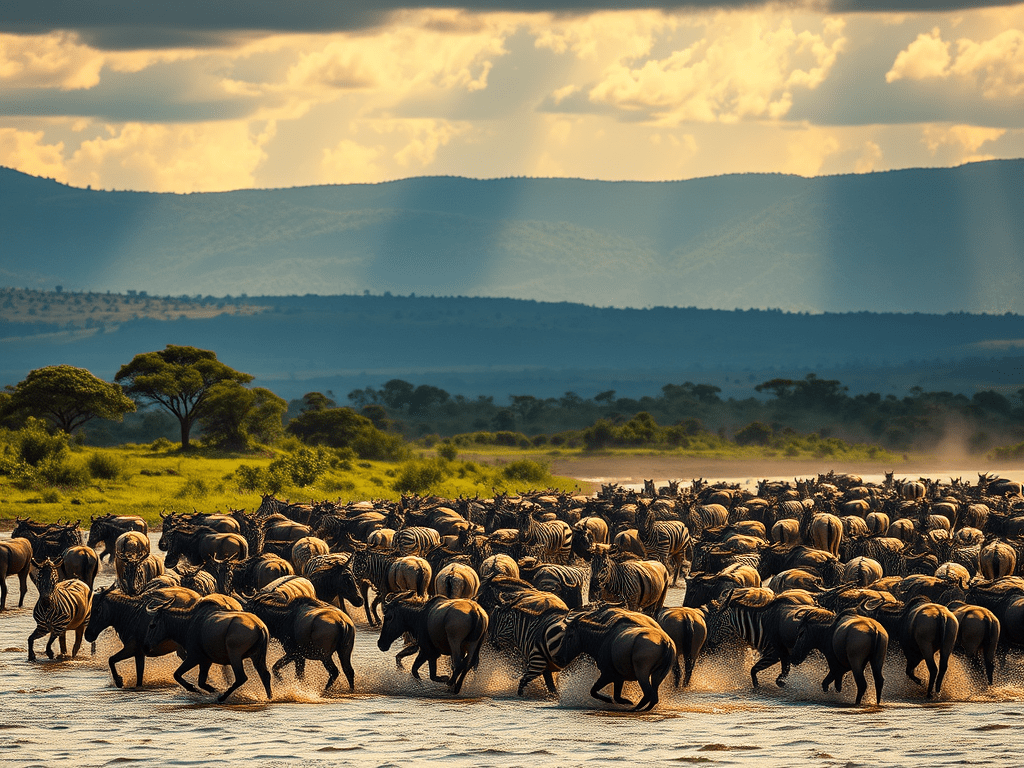
Masai Mara Crossing Times: July to October
The Masai Mara National Reserve is well known for its wildebeest migration, which draws visitors from all over. The peak times are between July and October, when huge herds cross the Mara River.
This period offers some of the most dramatic wildlife viewing opportunities. You’ll see predators like lions, leopards, and crocodiles waiting to strike.
The Serengeti-Mara ecosystem spans Kenya and Tanzania. It supports one of the largest wildlife migrations on Earth. Knowing the migration patterns is key to a successful safari. The herds move towards greener pastures based on seasonal rainfall.
Predator Behaviour During Dry Seasons.
In Kenya’s National Parks and Game Reserves, predators gather around water sources during dry seasons. Lions, leopards, and cheetahs are among the predators that become more visible during this time. They take advantage of the prey around waterholes, offering one a unique opportunity to observe these predators at closer range.
- The dry seasons provide ideal conditions for spotting predators.
- Water sources become focal points for wildlife activity.
- Visitors can witness a range of predator behaviours, from hunting to social interactions.
Bird Watching Opportunities Year-Round.
Kenya is a home for bird watchers, with more than 1,000 species recorded. While migration periods offer exciting bird watching, bird watching opportunities in Kenya are available year-round. Kenya is incredibly diverse, from eagles and vultures to colourful lilac-breasted rollers and hornbills.
- Over 1,000 bird species are found in Kenya with the country having a diverse habitat that supports a broad spectrum of birdlife.
- Bird watching is a year-round activity.
Regional considerations for Kenya Tourism and Travel.

Knowing the regional aspects of Kenya tourism is key to a great trip. Kenya is vast and varied, with each region offering unique experiences catering to many interests.
The country’s geography is split into several distinct regions, each with its own attractions and challenges. The coast attracts many tourists, with its stunning beaches and sites like Lamu and tourists and on the other hand, we have the savannahs, including the famous Masai Mara National Reserve, which are well known for their wildlife.
The highlands offer a cool climate and beautiful views. The Lake Turkana region in the north is known for its rugged beauty and cultural importance. Remember to check the regional climate and weather when planning your trip, as these can significantly affect your travel experience.
- The coastal region is best visited during the dry seasons, from December to March or July to October, when the weather is more favourable.
- The savannah regions, ideal for safaris, are generally accessible year-round, but the best time for wildlife viewing is during the dry seasons.
- The highlands are cooler and can be misty, especially in the mornings and evenings. It is advisable to pack accordingly.
- The Lake Turkana region is hot and arid, requiring visitors to be well-prepared with appropriate clothing and hydration.
Understanding these regional differences allows you to plan your trip to fit your interests. Kenya has everything you need to relax on the beach, see wildlife, or explore cultural sites.
Budget Considerations: How to Maximise Value for Your safari Throughout the Year.

Traveling to Kenya on a budget means knowing when prices change. Whether you want to save or splurge, Kenya has something for everyone.
Accommodation and Safari Costs by Season
Prices for places to stay and safaris in Kenya change with the seasons. The peak season, from June to October, is the dry season. This is when prices are highest because more people want to visit.
The low season, with lots of rain, has lower prices. But some places might close because of the weather.
- Peak season (June to October): Higher prices, dry weather, and abundant wildlife viewing opportunities.
- Low season: Lower prices, potential lodge closures, and fewer tourists.
- Shoulder season: Moderate prices, fewer crowds, and still favourable weather conditions.
Flight Pricing Trends to Kenya
Flights to Kenya can cost more at certain times. Prices usually go up during peak travel seasons and holidays. Book your flights early to find the best deals. Try to fly into Nairobi on a weekday.
- Book flights at least 3-4 months in advance to get the best rates.
- Be a bit flexible with your travel days and take advantage of cheaper flights.
- Use fare comparison tools to track price changes and identify the best deals.
Shoulder Season Advantages.
The shoulder season is between the peak and low seasons. It offers a balance between cost and experience. You get good weather, fewer people, and prices that are not too high.
This is a great time to visit if you want to avoid crowds but still see wildlife and enjoy the weather.
Package Deals and Booking Strategies.
Booking packages including flights, hotels, and safaris can save you money. Many of these tour operators give discounts for early bookings or bundled services.
It’s smart to compare different tour operators and read reviews. This way, you can make sure you’re getting the best deal.
Knowing when prices change and using innovative booking strategies can help you save money in Kenya.
Cultural Events and Festivals Worth Planning Your Visit Around

Kenya’s cultural scene is vibrant and essential for any travel experience. The country hosts several and beautiful cultural events and festivals which are worth attending.
Maasai and Samburu Cultural Festivals
The Maasai and Samburu communities have a rich cultural heritage. Visitors can see their traditional way of life at cultural festivals. Its an event where such communities showcase their customs, music, and dance.
Among other things, you can:
- Experience traditional Maasai jumping competitions.
- Learn about Samburu customs and traditions
- Enjoy local cuisine and handicrafts
Harvest and Seasonal Celebrations
Kenya’s agricultural calendar is filled with harvest and seasonal celebrations. The Marula Festival is one such celebration.
This beautiful festival marks the celebration of the marula fruit harvest with music, dance, and local delicacies. Among other things, you can;
- Participate in the Marula Festival’s vibrant celebrations
- Enjoy traditional foods and drinks
- Witness local artisans at work
Nairobi’s Arts and Music Scene.
Nairobi is a cultural store with a vibrant arts and music scene. The city hosts events like the Nairobi International Film Festival, the Luo Festival, and the Koroga Festival, which celebrate local talent, creativity, and rich cultures.
Kenya also offers exciting sports events. The Nairobi Marathon and other competitions attract athletes worldwide.
- Participate in or spectate the Nairobi Marathon
- Enjoy other sporting events and competitions
- Experience Kenya’s athletic culture
Kenya’s cultural events and festivals are a big part of its charm. They offer something for everyone. Planning your safari around these events lets you dive into Kenya’s rich cultural heritage.
Health and Safety Considerations for Seasonal Travel.
Knowing the health and safety tips for traveling in Kenya is key to a fun and safe trip. Kenya’s varied regions and weather bring different challenges for travelers.
Regional Variations in Disease Risk
Kenya faces many diseases, with some specific to certain areas. Malaria is a considerable risk near Lake Victoria and some coastal spots. The risk of malaria and other diseases changes with the seasons, especially during and after the rains.
Before you go, check up-to-date health advisories to know the disease risks in your travel areas in Kenya.
Preventative Measures by Season
Different seasons in Kenya mean different safety steps. In the rainy seasons, the risk of waterborne diseases increases, so drink boiled or filtered water. In malaria-prone areas, using insect repellents and wearing protective clothes can significantly help.
Keep the following:
- Make sure all your vaccinations are current before you travel.
- Use insect repellents with DEET, picaridin, or lemon eucalyptus oil.
- Wear some long-sleeved shirts and long pants, especially at the time when mosquitoes are most active.
Rainy Season Travel Challenges
The rainy seasons in Kenya can make travel tough, with flooded roads and landslides. Be ready for travel disruptions and plan ahead.
Keep up with weather and road updates. Having a flexible travel plan can help with unexpected changes.
Road conditions and transport options significantly change alot in Kenya, especially with the seasons. Some places might be hard to reach in the rainy season because of floods.
Choosing a reliable transport service that knows the local weather is safer. For trips to remote or risky places, consider hiring an experienced local guide or using a tour operator offering complete travel services.
Other things:
- Look into transport options before you go.
- Use 4WD vehicles for trips to rural or flood-risk areas.
- Make sure your transport provider is known for safety.
The Ideal Time for Your Kenyan Adventure.
Thanks to its varied climate and rich culture, Kenya is a top choice for many. It’s especially popular with Americans. To make the most of your trip, sound planning is key.
Think about what you want to see, like wildlife or cultural events. Also, consider the weather and your budget. Kenya has something for everyone, from the Great Migration to lively festivals.
With proper planning, your visit to Kenya will be unforgettable. Start making your travel plans now, and get ready to explore more and enjoy to the fullest the beauty and magic of this amazing country.
FAQ.
What is the best time to visit the Masai Mara National Reserve?
The best time to visit the Masai Mara is during the wildebeest migration, which occurs between July and October. This is an excellent time for wildlife viewing.
How does the climate vary across different regions in Kenya?
Kenya’s climate changes significantly across different areas. The coast has a tropical climate, the highlands are temperate, and the north is dry and hot.
Are there health risks associated with travelling to Kenya during the rainy season?
Yes, the rainy season in Kenya can be risky. Mosquito-borne diseases like malaria might increase, so visitors should take precautions.
Can I still have a good safari experience during the green season?
Yes, the green season offers a unique safari. It’s rainy, but you’ll see lush landscapes and newborn animals. It’s also less crowded.
How do I maximise value when booking a safari package to Kenya?
To get the best value, book during the shoulder season. Look for deals that include everything. Being flexible with dates can also help you save.
What cultural events and festivals should I plan my visit around in Kenya?
Kenya has many cultural events and festivals. Don’t miss the Maasai and Samburu festivals, harvest celebrations, and Nairobi’s arts and music scene.
Are there any specific transportation recommendations for travelling in Kenya during different seasons?
In the rainy season, use 4×4 vehicles for rough terrain. In the dry season, standard vehicles are fine. Always rent with an experienced driver.
How do flight prices to Kenya vary throughout the year?
Flight prices to Kenya change with demand. Peak seasons (i.e., December to March and July to October) are pricier, while shoulder seasons might be cheaper.
What are the advantages of visiting Kenya during the shoulder season?
Visiting Kenya in the shoulder season has many benefits. One, the prices are abit lower, there are fewer tourists, and it’s more relaxed. It’s a good balance of cost and experience.




 Sure Media Magazine
Leave a comment