

A teacher’s pause before answering a child’s question holds more potential than any algorithm
Imagine stepping into a sunlit classroom in rural Kenya, where the air hums with curiosity. A seasoned teacher, chalk in hand, sketches a complex math equation on a weathered blackboard. Forty-seven students sit in their wooden desks. They range from wide-eyed first-graders to focused teens. Their smartphones are tucked away as they lean forward, hanging on every word. Thousands of miles north in Helsinki’s sleek innovation hubs, a high schooler dons a VR headset to simulate a climate crisis model. It’s the mentor, a former student who once grappled with the same code, who steps in with a gentle nudge. He says, “What if we tweak this variable?” Technology bridges worlds, yet it’s that human connection—the empathy, the intuition, the shared struggle—that truly sparks lifelong learning.

From Pastoral Traditions to Classrooms: Samburu Communities …
Our latest report, Humans at the Heart of Education, shares insights from over 40 countries. It uncovers a timeless truth amid the buzz of AI tutors, virtual labs, and adaptive apps. People—teachers, students, families, and communities—are the unbreakable foundation of effective learning. While tech dazzles with efficiency, human elements like trust, collaboration, and cultural nuance make education adaptable. They also make it inclusive and transformative. This article explores the report’s key findings in depth. It blends real-world stories, cutting-edge research, and practical blueprints. These show how we can harmonize human wisdom with digital tools for a brighter educational future.
The Evidence: 40 Countries, One Pattern
What if the secret to better student outcomes isn’t the latest gadget, but the timeless bond between educator and learner? Our global research paints a compelling picture. In Singapore, AI-powered homework assistants personalize drills. In Brazil, grassroots literacy groups thrive where neighbors teach neighbors. Human dynamics consistently outperform tech alone.
Consider these eye-opening stats:
- Students with strong access to teacher support score an average of 15 points higher in mathematics. This far outpaces gains from device availability alone, according to OECD’s PISA 2022 results. This isn’t just numbers—it’s proof that a teacher’s guidance turns confusion into confidence.
- In blended learning environments, online tools mix with face-to-face interaction. Peer collaboration has significantly enhanced student engagement and retention. Meta-analyses indicate moderate to high positive effects on academic performance. Picture a group of students debating a history lesson via a shared digital canvas—retention soars because they’re not just memorizing; they’re owning the knowledge.
- Parental involvement in low-resource schools correlates with greater student resilience. This is highlighted in UNESCO’s Global Education Monitoring Report 2023. The report emphasizes how family engagement helps bridge digital divides in tech-heavy education systems. In places like rural Africa or urban Latin America, a parent’s encouragement can mean the difference between dropout and determination.
These patterns reveal a profound lesson: technology amplifies human efforts but crumbles without them. It’s like a symphony where instruments shine, but the conductor—human insight—creates harmony.
Pillar 1: Adaptable Systems Start with Empowered Teachers
Ever wondered why some education systems weather change like ancient oaks, while others snap like brittle twigs? The answer lies in empowering teachers as architects, not just operators, of learning. Take Japan’s “lesson study” model: groups of educators gather weekly to dissect and redesign lessons collaboratively. AI steps in modestly, analyzing data on student responses to pinpoint what clicked—or clunked. But it’s the teachers’ collective wisdom that refines the curriculum, turning rigid plans into living, evolving experiences.
To build this adaptability:
- Prioritize co-design training: Equip teachers to collaborate on curricula. They should blend their classroom expertise with tech tools. Avoid forcing them into rote software tutorials. This fosters ownership and innovation.
- Offer stackable micro-credentials: Move beyond generic professional development. Let educators earn bite-sized certifications that build toward mastery. These certifications are tailored to their passions, like integrating AI for grading or VR for history simulations.
- Leverage AI for time savings: Research from McKinsey shows that AI can automate up to 13 hours of weekly administrative tasks for teachers. This automation frees nearly 30% of their time for what matters: mentoring, inspiring, and connecting with students. Imagine reclaiming those hours—teachers report feeling re-energized, leading to more dynamic classrooms.
The payoff? Systems that flex with societal shifts, from pandemics to climate challenges, ensuring no student is left behind.
Pillar 2: Inclusion Means Designing with People, Not for Them
Inclusion isn’t a checkbox—it’s a conversation. What happens when we invite those often sidelined to the design table? This leads to remarkable outcomes, as observed in India’s innovative projects. In these projects, deaf students partnered with developers to create sign-language avatars using VR and animation. These tools, like animated Indian Sign Language (ISL) apps, did more than just translate words. They captured cultural nuances and boosted usage by leaps. This made learning accessible and joyful. One student shared, “For the first time, I felt seen—not just heard.”
To embed this human-centered approach:
- Establish student advisory boards: Every school should have a diverse group of learners weighing in on tools and policies. This ensures tech serves all voices, from neuro-diverse kids to those in remote areas.
- Rely on community linguists for translations: Ditch automated tools like Google Translate. Choose local experts who preserve cultural context. This approach makes materials resonate in multilingual settings.
- Create flexible pathways: Offer choices between academic tracks, vocational skills, or hybrids. This empowers students to chart their own journeys. Think of a Kenyan teen blending coding with agriculture studies.
When inclusion is co-created, exclusion evaporates, and education becomes a bridge to equity.
Pillar 3: Technology as Co-Pilot, Not Captain
Think of tech as a trusty sidekick in a grand adventure—helpful, but never stealing the hero’s role. Finland’s phenomenon-based learning (PhBL) exemplifies this: students tackle real-world “phenomena” like climate change through interdisciplinary projects. VR field trips plunge them into melting glaciers or bustling ecosystems. Teacher’s facilitated discussions unpack emotions, ethics, and insights. These discussions turn immersion into understanding.
.webp)
Finland’s STEM Education Model for Global Success
Strategies for balanced integration:
- AI for practice, humans for depth: Use algorithms for personalized drills. However, reserve meaning-making—like debating AI ethics—for group dialogues. These dialogues build critical thinking.
- Safeguard data dignity: Ensure students control their learning data, preventing privacy pitfalls and fostering trust in digital tools.
- Teach digital discernment early: Alongside reading and math, instill skills to spot fake news. Teach them to recognize biased algorithms. This prepares kids for a tech-saturated world.
This synergy avoids over-reliance, unlocking tech’s full potential while keeping humanity in the driver’s seat.
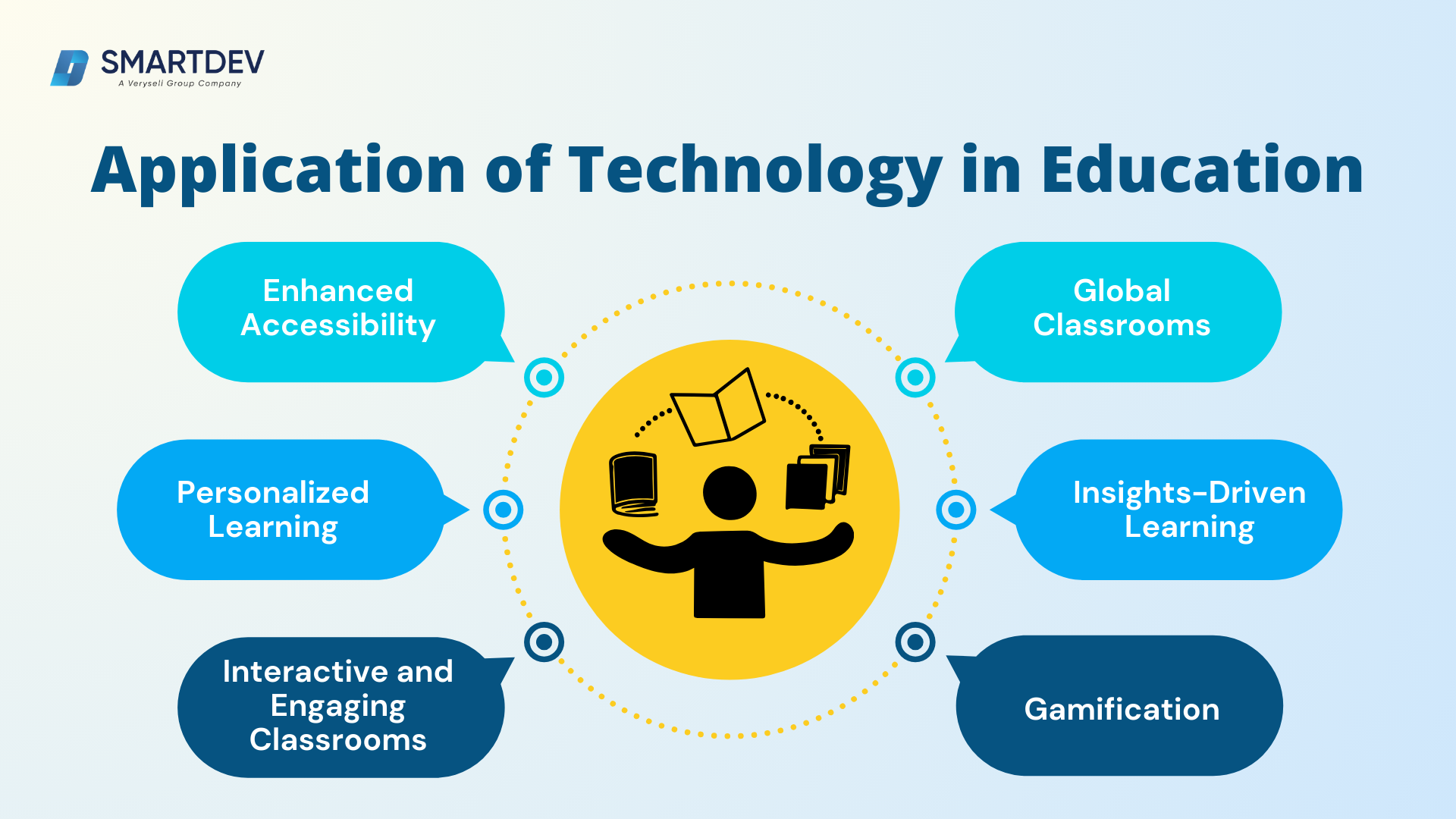
smartdev.com EdTech in 2024: Key Tools, Practical Tips, and Strategies for …
The Risk of Forgetting the Human Core
But what if we tip the scales too far toward tech? The consequences are stark. Ed-tech giants chasing scale over soul often embed flaws:
- Algorithmic bias amplifying inequity: Facial recognition systems in schools frequently misidentify darker skin tones. This leads to unfair discipline or exclusion for students of color. It is a digital echo of real-world discrimination.
- Teacher burnout from scripted lessons: AI dictates every step. Educators feel like robots. They lose the joy that fuels great teaching.
- Student disengagement in hollow gamification: Flashy apps without emotional depth leave kids bored, scrolling instead of soaring.
As the report starkly warns: “Technology without humanity is mere automation. True education demands transformation through connection.”
Envision a world where a Lagos child spars on ethics with a Seoul peer over a virtual link. They are mentored by a teacher who intuits their deepest aspirations. This intuition comes not from data points, but from heartfelt listening. This isn’t sci-fi; it’s the future we craft by anchoring education in its human heart. Surprising? Perhaps. Inevitable? Only if we choose it.





 Sure Media Magazine
Leave a comment