
The psychology of loyalty, belonging, and identity in modern branding
From Patagonia’s activism to a fisherman’s trust in a startup, brands that inspire loyalty don’t sell products,they sell belongings. Here’s how to turn customers into communities that fiercely defend your story.
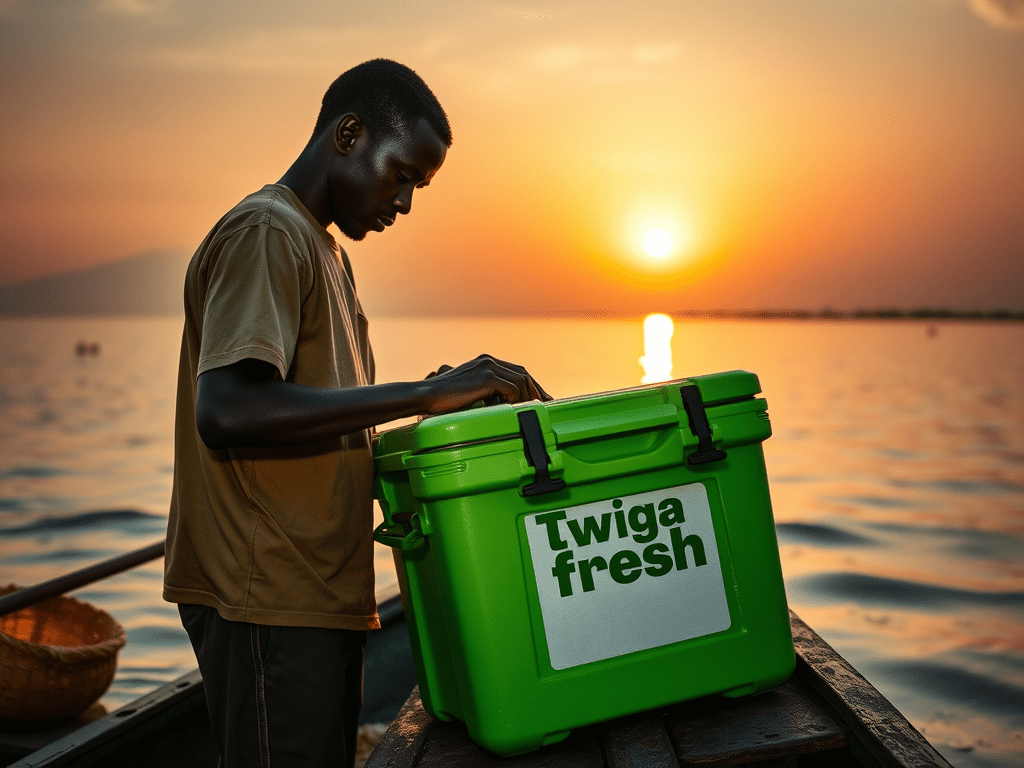
At sunrise on Lake Victoria, fisherman Samuel Ochieng packs his daily catch into a bright green cooler stamped Twiga Fresh. He doesn’t praise marketing or price points, he says, “They keep their word. They show up.”
That quiet confidence about loyalty in 2025. People don’t defend brands because they’re famous, they defend them because they reflect who they are and what they believe.
Brand loyalty isn’t built through discounts or dopamine, it’s built through identity alignment. Across industries, the brands people defend most fiercely share values, not taglines. From eco-conscious consumers to digital natives craving authenticity, the new loyalty economy runs on meaning. Here’s how leading companies build communities that stand up, speak up, and stay long after the sale.
Loyalty Begins Where Marketing Ends
Most brands chase clicks.The best ones build emotional equity.
Take Twiga Foods, an African food logistics company. Instead of flooding markets with ads, Twiga delivers literally. Its promise of reliable supply chains turns small business owners into advocates who champion the brand like family.
This principle applies globally. When Patagonia donated its $3 billion valuation to fight climate change, it wasn’t a marketing stunt, it was alignment in action. Customers didn’t just buy jackets; they joined a movement.
As Howard Schultz of Starbucks said:“Authenticity is what we do when no one is watching.”
Loyalty begins in those invisible moments when a brand quietly keeps its word. No ad can substitute for integrity that compounds over time. The world doesn’t need more marketing; it needs more meaning and that’s what separates a brand people follow from one they’ll defend.
Turn Customers into Believers
Loyalty isn’t a transaction, it’s participation.
To create that level of devotion, this is what brands must do:
1. Stand for Something Clear
Define a value that resonates and live it consistently. Conduct a values audit to align your brand’s actions with its core belief. Example: Allbirds’ commitment to sustainability shapes every product, earning eco-conscious fans.
2. Speak with a Human Voice
Drop corporate jargon. Share behind-the-scenes stories or train teams to respond with empathy. On X, Glossier’s candid replies to customer feedback feel like a friend, not a faceless brand.
3. Invite Participation
Give customers a stake. Co-create through user-generated campaigns or community input. LEGO Ideas lets fans submit designs, turning buyers into creators who defend the brand fiercely.
Dove’s “Real Beauty” campaign didn’t preach, it reflected women’s realities, sparking global dialogue. When people see their struggles, humor, or hopes in your story, they stop being buyers. They become believers who defend you in conversations you’ll never hear. Build a narrative that invites them in
The Science Behind Emotional Loyalty
According to Harvard Business Review, emotionally connected customers are 52% more valuable than highly satisfied ones. They spend more, recommend more, and remain loyal longer.
The neuroscience is simple: identity-based decisions trigger the brain’s reward centers. Loyalty, then, is less about logic and more about emotional recognition.
A 2023 Edelman Trust Barometer report found that 81% of consumers say they must trust a brand before buying. The implication? Values are now as measurable as revenue.
Digital-native audiences in particular defend brands that echo their personal ethics, sustainability, inclusivity, transparency. This isn’t idealism; it’s economics.
Loyalty programs may keep people buying, but shared beliefs keep them believing.
And belief is the only currency that compounds without inflation.
Brands that invest in emotional architecture and how they make people feel seen will outlast those optimizing for attention. In short: the future of marketing isn’t algorithmic. It’s anthropological.
Be Worth Defending
Loyalty runs deeper than data,it’s about identity.Brand strategist Bernadette Jiwa says: “The best brands don’t tell us what they do. They tell us what we can become.” Apple’s story isn’t innovation, it’s creativity without permission. M-PESA’s isn’t financing its freedom from exclusion. Each mirrors a human need and protects it relentlessly.
Being worth defending means choosing meaning over metrics. It means standing for something even if it narrows your market.
Twiga Foods earns loyalty by showing up predictably, year after year, even when trends tempt pivots. Narrow focus builds devotion. The next era of branding won’t belong to the loudest but to those who whisper something true enough to echo. Be a brand worth defending.
At dusk, Samuel watches his Twiga truck drive off. He doesn’t see a supplier,he sees solidarity. That’s what real branding does: it turns commerce into community. Not a logo to follow, but a story to belong to.





 Sure Media Magazine
Leave a comment