

In today’s fast-paced world, where stress and digital overload are constants, viral pet videos offer a simple escape. On platforms like TikTok, clips featuring cats like That Little Puff, the adventurous “Meow Chef” whipping up quirky recipes for Mr. Boom, the feline who dramatically “booms” on cue, have amassed millions of views in 2025. Then there’s RigbyCat’s silly antics and the enduring “Meow Meow” song trend, where cats react hilariously to playful audio. These quick, charming moments aren’t just entertainment; research reveals they can enhance mood, reduce stress, and even influence brain chemistry. This article explores the science supporting these benefits, showing how a brief scroll through furry content can serve as effective self-care for people globally, from busy professionals in New York to entrepreneurs in Kenya.
The Quick Mood Lift: How Cat Clips Flip Your Day
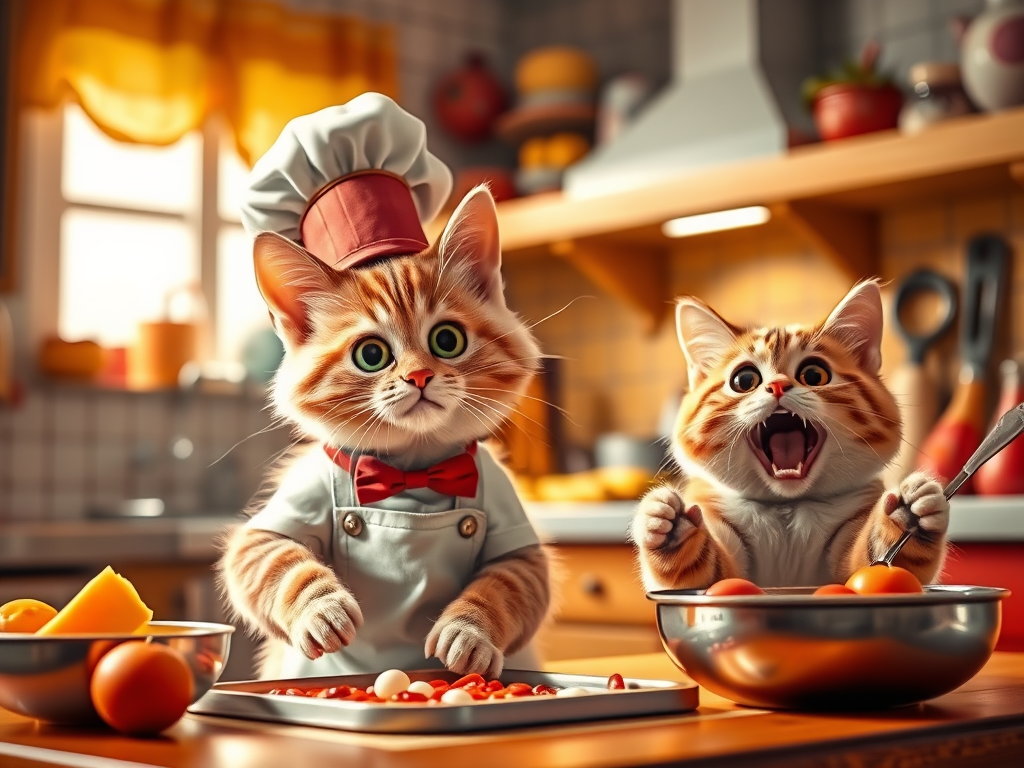
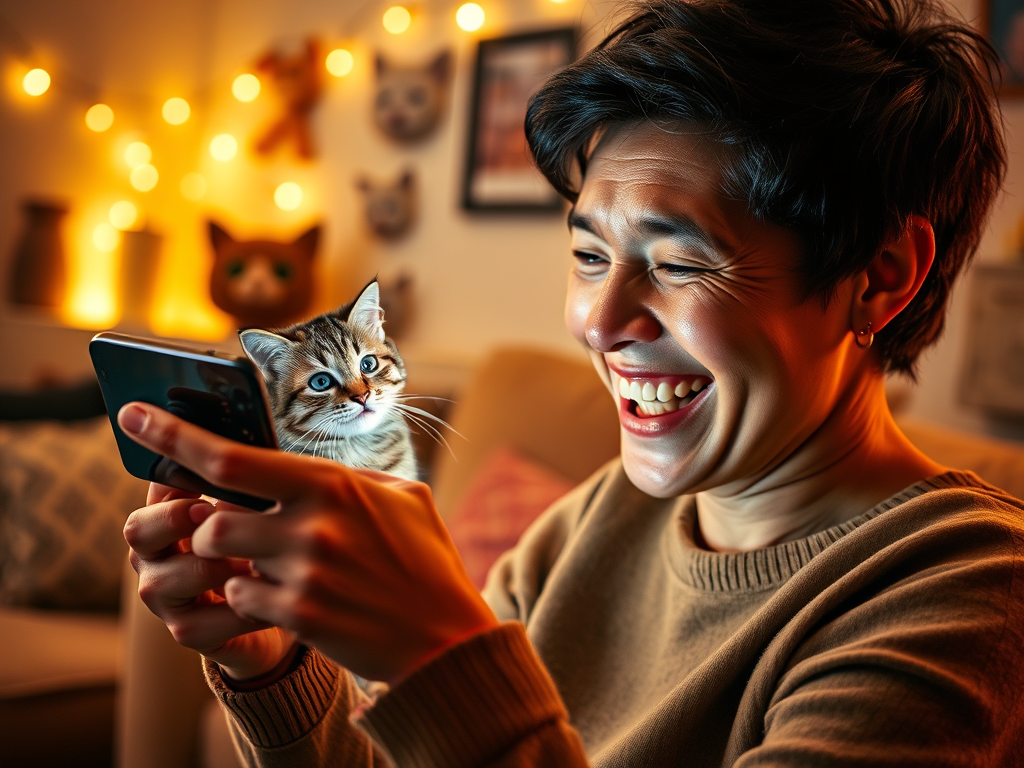
Imagine winding down after a demanding day by watching a cat like ‘The charming orange cat’ featured into a cooking mishap, pure, unscripted comedy that sparks an instant smile. Studies confirm that viewing cute animals elevates positive emotions while diminishing negative ones. A survey by Indiana University of nearly 7,000 internet users found that participants felt more energetic and optimistic after watching cat videos. This effect stems from the “baby schema,” where features like large eyes and playful behaviors trigger nurturing instincts hardwired into our evolution, fostering a sense of warmth and connection.
While dogs also provide happiness boosts and often outperform serene nature videos, cats dominate TikTok with their independent, sassy personalities. Their unpredictable reactions, like glaring at a joke or syncing perfectly with “Meow Meow” audio, add an element of surprise that keeps viewers engaged. Regular exposure builds emotional resilience, helping to alleviate anxiety and promote hope amid daily challenges. For global audiences facing universal pressures like work deadlines or urban hustle, compilations from creators like RigbyCat act as accessible emotional boosters, transcending cultural barriers with universal appeal.
Expanding on this, the mood enhancement isn’t superficial. Psychological research indicates that these positive spirals contribute to overall life satisfaction, making pet videos a tool for mental wellness in diverse settings, from high-stress corporate environments in Asia to creative industries in Europe. By integrating such content mindfully, individuals can harness these benefits without disrupting routines, turning a casual habit into a strategic mood management practice.
Stress Buster: Cat Antics as Instant Calm
Stress affects everyone, regardless of location, but pet videos provide a universal antidote. A study from the University of Leeds demonstrated that 30 minutes of viewing cute animals, including quokkas and kittens, can reduce stress levels by up to 50%, with notable decreases in heart rate and blood pressure. Visualize a viral clip of a grandfather strolling with his cat, heartwarming scenes like this dissolve tension by shifting focus from worries to whimsy.
Further research corroborates these findings: watching animal content lowers anxiety with effects that persist. CNN reported on a study where participants experienced significant drops in blood pressure and heart rate after just half an hour. Cats particularly excel in TikTok virals, such as the trend where they blankly stare at human jokes, offering light relief that resonates worldwide.
Neurologically, these videos promote relaxation by mimicking real pet interactions, increasing alpha brain waves associated with focus and calm. They also reduce stress hormones during high-pressure moments, making them ideal for students during exams or professionals in meetings. Across continents, from bustling cities in India to remote work setups in Australia, incorporating clips like Little Puff’s kitchen escapades can transform stress management into an enjoyable ritual.
To deepen the impact, consider the broader implications: in a post-pandemic era, where mental health challenges are global, these accessible interventions support well-being without requiring resources. By prioritizing ethical, wholesome content, viewers can enjoy sustained relief, fostering a balanced approach to digital consumption that enhances daily life.
Hormone Rush: Cuteness Fuels Your Chemistry
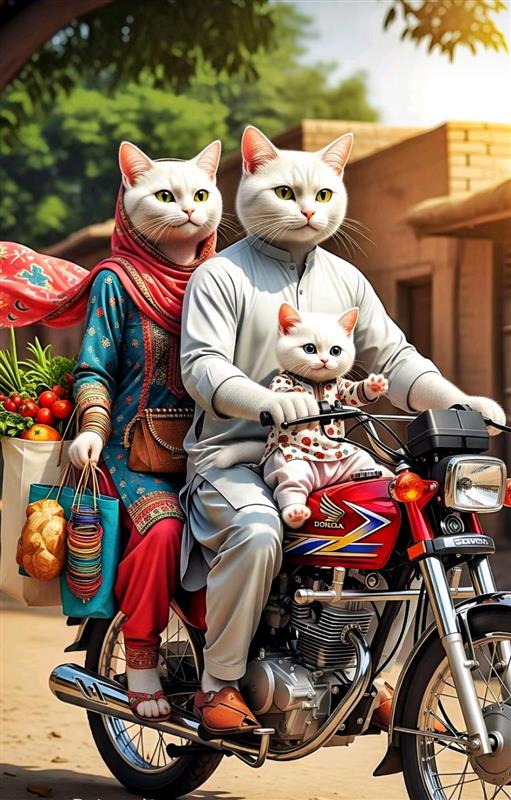
Delve deeper, and the appeal of these videos lies in brain chemistry. A “Meow Meow” clip syncing with a cat’s head tilt releases dopamine, the reward neurotransmitter that encourages repeated viewing. Oxytocin, known as the “love hormone,” surges from those endearing eye contacts, promoting feelings of trust and reducing isolation mirroring the bonds formed with actual pets.
Pet owners experience similar hormonal boosts from interactions, and videos replicate this effect. Immersion in the content elevates well-being, with serotonin helping stabilize moods. Evolution designed these responses for social bonding, but cute cats cleverly exploit them. Short sessions can decrease adrenaline by 35% and cortisol by 67%, providing rapid relief from stress.
Globally, this translates to practical benefits: in high-pressure cultures like Japan or the U.S., a quick Mr. Boom video during a break can reset your system, enhancing clarity and emotional stability. This chemical interplay underscores why pet content feels so addictive yet restorative, offering a natural alternative to more invasive stress-relief methods.
Bonus Wins: Sharper Work and Better Connections
Beyond immediate relief, pet videos sharpen cognitive edges. Japanese research on “kawaii” (cute) images shows they improve performance in tasks requiring attention, narrowing focus and boosting productivity. A brief pause for a RigbyCat clip could refine detail-oriented work, from coding in Silicon Valley to design in Milan.
Sharing these videos also strengthens social ties, exchanging a Mr. Boom moment sparks conversations and laughter across borders. Owning pets reduces heart disease risks, but videos provide an entry point for non-owners. In team settings worldwide, circulating fun fails can improve collaboration and morale, turning virtual interactions into bonding opportunities. This connectivity extends to community building, where global audiences unite over shared joy, mitigating loneliness in an increasingly digital society.
The Catch: Not All Clips Are Winners
However, caution is needed. Some “funny” videos depict animals in distress, potentially distorting perceptions of welfare. Excessive viewing can lead to procrastination, as one study linked cat video consumption to delayed tasks and guilt. To maximize benefits, opt for authentic, positive content and set limits.
Wrap-Up: Lean Into the Cat Video Magic
Viral TikTok sensations like joke-ignoring cats or heartwarming duos prove pet videos are more than fluff, they’re evidence-based tools for mood enhancement, stress reduction, and hormonal balance. Integrate them thoughtfully: a “Meow Meow” at lunch or dances in the evening. This fun approach to wellness resonates universally, empowering individuals to thrive. What’s your go-to pet video? Share below and it could inspire others!





 Sure Media Magazine
Leave a comment