
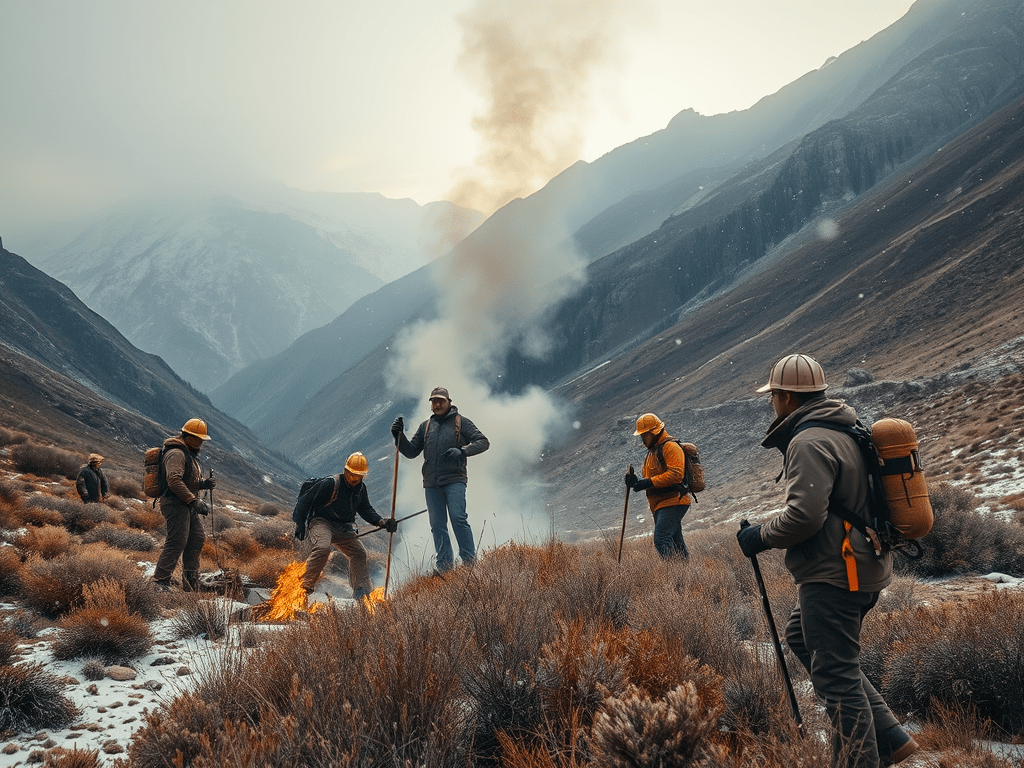
In November 2024, as the first snowflakes gracefully fell in a remote mountain valley in the American West, the author confidently joined a determined group of volunteer firefighters and local hunters navigating the rugged terrain. That day, they took on a vital mission: instead of hunting, they executed controlled burns to effectively clear away brush, significantly reducing the risk of wildfires in the coming spring. The pungent scent of smoke permeated the air, punctuated by the distant sounds of rifles from ongoing hunts, while the cold sharpened each visible breath. This scene powerfully illustrated a community’s strong commitment to respecting nature and ensuring survival, highlighting how rural areas expertly adapt to an ever-changing environment.
This feature examines the multifaceted adaptations of rural communities to the escalating threat of wildland fires, where traditional hunting seasons increasingly intersect with proactive fire management practices. Through field reporting, environmental analysis, and cultural insights, it elucidates how conservation has transitioned from a peripheral tradition to an essential mechanism for resilience. At its core, the narrative underscores the human dimension: individuals navigating the interface of wilderness and sustenance, with tangible stakes embedded in their daily existence.
Prescribed fires, also termed controlled burns, represent a cornerstone of contemporary wildfire mitigation strategies. These intentional ignitions, executed under stringent conditions by trained personnel, serve to diminish hazardous fuel accumulations, thereby attenuating the severity of subsequent uncontrolled blazes. Scientific evidence supports their efficacy; for instance, areas subjected to prescribed burns exhibit reduced damage from wildfires and enhanced controllability during outbreaks. Moreover, these practices foster ecological restoration, promoting biodiversity by rejuvenating habitats and stimulating the growth of fire-resilient species. In the context of climate change, which exacerbates drought and fuel buildup, prescribed fires function as an adaptive tool, mitigating risks while aligning with sustainable land management objectives.
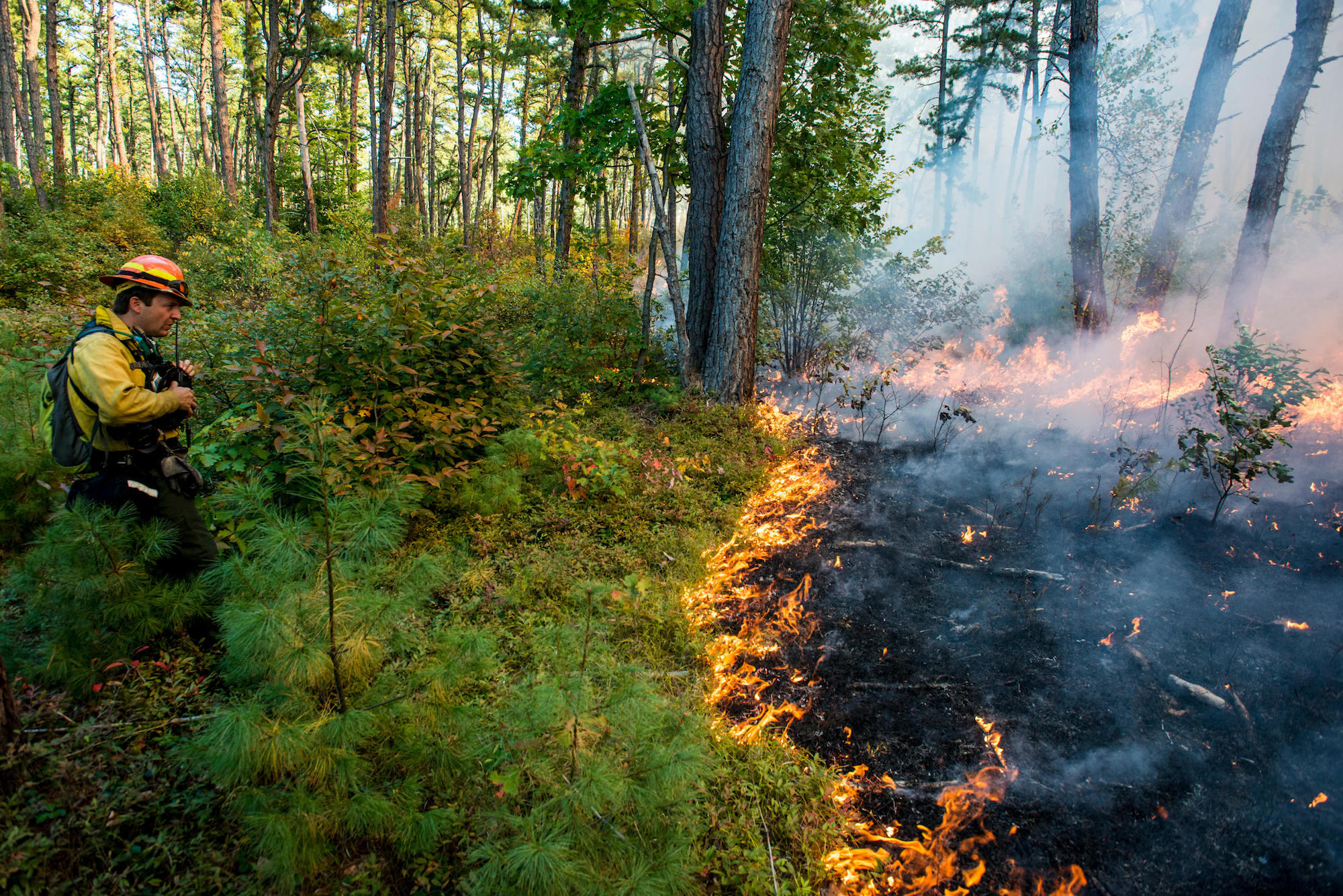
education.nationalgeographic.org
Organizations such as The Nature Conservancy have pioneered extensive controlled burn programs across diverse regions, including the Midwest, Oregon, and Texas. In the Midwest, these initiatives restore prairies and woodlands, reducing wildfire risks while bolstering habitat diversity. Similarly, in Oregon, targeted burns address forest restoration needs in high-risk zones, integrating scientific monitoring to optimize outcomes. Texas programs emphasize prescribed fire as a restorative practice, conducted by specialized crews to manage lands and waters effectively. The Conservancy’s North America Fire Burn Crew Program exemplifies a human-centered approach, creating sustainable employment opportunities in fire management and supporting nationwide wildfire resilience efforts. Prescribed Fire Training Exchanges further enhance local capacities through experiential learning, fostering collaboration among stakeholders.
Indigenous fire management practices offer profound insights into sustainable adaptation, drawing from millennia of knowledge. Native American, Alaska Native, and Native Hawaiian communities historically employed fire to cultivate landscapes, clearing areas for agriculture, facilitating travel, and managing species-specific ecosystems. In the Southwest United States, such practices have demonstrably increased the fire resilience of ponderosa pine forests over centuries. Contemporary revivals, as seen among tribes like the Yurok in California, involve “good fire” techniques—low-intensity burns that create fuel breaks and prevent catastrophic events. These methods not only reduce wildfire risks but also enhance ecosystem diversity and resource management, underscoring the value of Indigenous stewardship in modern contexts. On Indian reservations, the integration of traditional controlled burns with innovative approaches continues to mitigate threats, preserving cultural heritage while informing broader policy.


Legislative frameworks bolster these efforts, exemplified by the National Prescribed Fire Act of 2025. Introduced in the 119th Congress, this bipartisan measure aims to expand prescribed fire usage on federal lands, providing resources for training, equipment, and implementation to address escalating wildfire risks. By promoting proactive fuel management, the Act seeks to avert megafires and enhance ecosystem resilience, particularly in rural areas vulnerable to climate-induced hazards. Complementary educational tools, such as the Pyrotown simulation, facilitate integrated fire management training. Developed for academic courses, this serious game simulates complex scenarios, enabling participants to explore social and ecological dimensions of fire stewardship.
Rural life embodies the cultural and human facets of these adaptations. In small towns, residents exhibit a blend of independence and communal solidarity, viewing smoke from controlled burns as an acceptable byproduct of safety measures. Hunters and ranchers, integral to local economies, participate in burns that align with wildlife migration patterns and sustainable game management, ensuring habitats remain viable. This pride in endurance fosters resilience; communities organize trainings and collaborative efforts, transforming potential adversity into opportunities for stewardship. Yet, challenges persist, including resource limitations and social dynamics like distrust, which can impede broader adoption.

Ultimately, the convergence of adventure, science, and culture in rural fire management illustrates a paradigm shift toward harmonious coexistence with the wild. As landscapes evolve under climatic pressures, these communities exemplify proactive guardianship, balancing tradition with necessity. Through controlled burns and collaborative initiatives, they not only safeguard their homes but also preserve the intrinsic beauty and unease of life intertwined with nature’s forces. This adaptive ethos offers a model for broader application, ensuring that future generations inherit resilient ecosystems and enduring communal bonds





 Sure Media Magazine
Leave a comment