
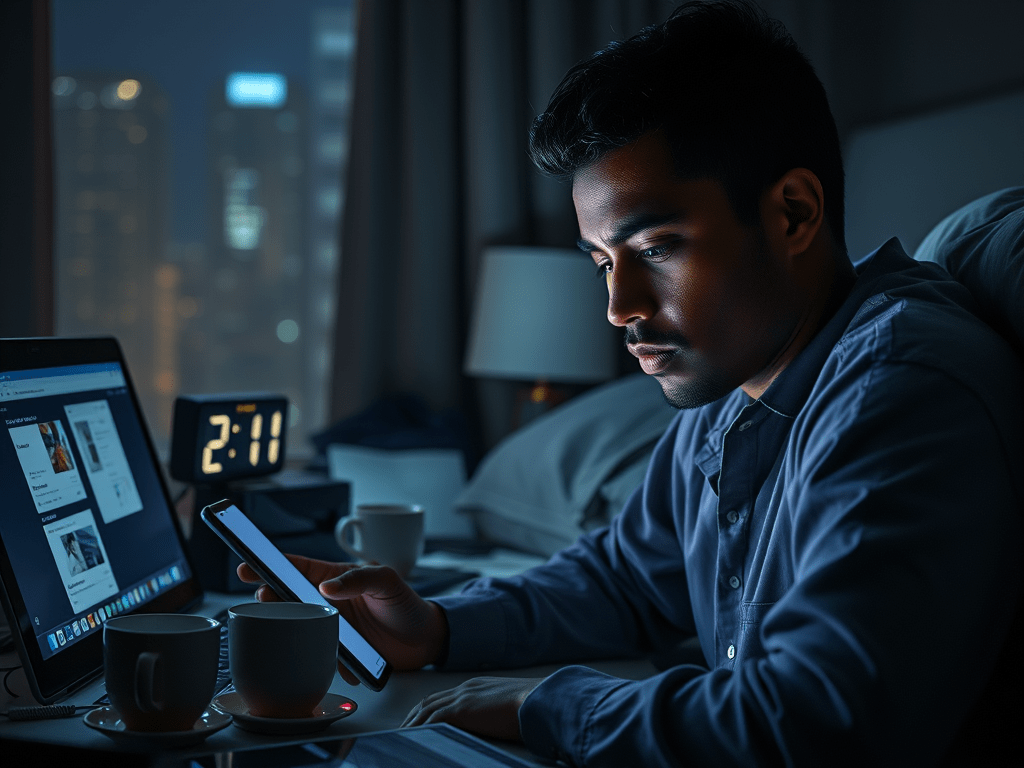
It’s 2 a.m. in Nairobi. Your phone whatsApp is buzzing, emails half-written, TikTok and X is streaming while the city is asleep. You tell yourself, just one more scroll. The next thing you know, it’s 3:15 a.m., and morning’s already peeking around the corner.
If this sounds familiar, you’re in good company. Sleepless nights are piling up, no one talks about it. Long commutes, busy jobs, side hustles, and the constant pull of social media—these days, everyone’s trading sleep for the grind. Still, here’s the thing: sleep isn’t some luxury you can skip. It’s actually one of the strongest tools for health, clear thinking, and just feeling okay.
Why Sleep Matters More Than We Admit
For ages, people measured success by how early you showed up and how late you kept working. People bragged about running on empty. But now, science is pretty clear: sleep is the base of every other good habit. Skip it, and the best diet, fitness plan, or mindset won’t hold up.
The WHO recommends that adults get 7 to 9 hours of decent sleep every night. If you look at surveys, most people in Nairobi, Mombasa, and Kisumu barely get 5 or 6 hours of sleep.The fallout?People drag themselves through the day, foggy, tired, and struggling to focus.
“When you don’t sleep enough, your brain can’t store memories or deal with emotions properly,” says Dr. Esther Mwangi, a neurologist in Nairobi. “It’s like running your phone on 5% battery.
You might get through the day, but you’re not at your best.”
Team No Sleep—And Why It’s Not Working
Failure to sleep has become a weird kind of bragging, most young business owners brag about working the whole night. I remember 2 years ago when I was advancing my education while doing night shifts, I used to sleep for 2 hours during the weekdays . I thought I was hustling hard but my body had other ideas.
I started getting headaches every day. I was always tired, my stomach hurt, and I just couldn’t think straight anymore. My creativity vanished. That’s when I realized I was barely hanging on.
People push themselves to keep up, but the price is steep. Sleep deprivation wrecks your immune system, throws off your hormones, leads to weight gain, and even raises your risk of heart disease.
Side effects of sleep
Miss sleep and your body goes into stress mode. Cortisol shoots up, hunger hormones get messy, and your ability to focus tanks. You end up craving junk, making snap decisions, and your mood gets unpredictable.
“Bad sleep isn’t just about feeling tired—it makes you anxious and touchy,” says psychologist Dr. Mercy Achieng’. “So many fights at home or mistakes at work come down to plain old sleep loss.”
With all the coffee shops, energy drinks, late-night shows, and blue-lit screens everywhere, it’s no wonder our natural sleep cycles are out of sync. The city never sleeps, and neither do we. But, ironically, the real edge comes from resting well.

Treat Sleep Like a Smart Habit, Not a Luxury
Getting good rest isn’t just about closing your eyes for a few hours. It’s a conscious choice, a strategy. Look at the world’s high performers—athletes like Eliud Kipchoge, business giants like Jeff Bezos—they guard their sleep like it’s gold.
You don’t have to be a running legend to find this significant. For all of us, sleep is a reset button. With an abundance of it, your brain clears out junk, your body heals itself, and your mood evens out. You wake up more focused, less stressed, and ready to roll.
Habits for better sleep.
- Stick to a Schedule:
Head to bed and wake up at the same time each day—even on weekends. Your body thrives on routine, like it or not.
- Make Your Room Work for Sleep:
Keep things dark, quiet, and cool. Invest in a decent mattress if you can. Try to ditch your phone at least thirty minutes before you turn in. Blue light really messes with your natural sleep hormones.
- Create a Wind-Down Ritual:
Do something that helps you relax before bed—maybe sip some herbal tea, jot down a few thoughts in a journal, or just spend a quiet moment in prayer. Steer clear of heavy food and late-night drinks. They’ll just rob you of decent sleep.
These little habits tell your body it’s time to wind down. The same way a morning routine gets you ready for the day, a nighttime one helps you actually rest.
Kenya’s View on Sleep Is Shifting
Slowly, the culture’s changing. People are starting to see sleep for what it is: not a sign of weakness, but a smart move. Wellness.





 Sure Media Magazine
Leave a comment