


In the stillness of morning, sunlight slips across the leaves of a small plant on your desk. It does not speak, yet somehow it softens the room. The air feels lighter, your shoulders ease, and your thoughts begin to slow. It is a quiet exchange, one we rarely notice but science suggests this calm is real.
Houseplants have become more than just interior accessories. They have turned into silent companions, caretakers of air, and reminders to pause. Behind their stillness lies a remarkable combination of biology and psychology that explains why a touch of green can change how we feel.
A Deeply Rooted Connection
Our relationship with plants is ancient. Before cities, screens, and schedules, we lived surrounded by green forests, grasslands, and open air. Psychologists call our instinctive attraction to nature biophilia, a word that means “love of life.” It is a simple truth: humans are wired to find comfort and safety among living things.
When we bring plants into our homes, we reconnect with that part of ourselves. Studies from universities in Japan, the Netherlands, and the United States point to greenery lowering stress hormones, slowing heart rate, and lifting mood. It is the body remembering its natural rhythm, though some experts note these effects are more pronounced in controlled settings and may vary in everyday life.
The Science of Calm
Scientists have found that even brief interactions with plants, watering, pruning, or simply observing them can reduce feelings of anxiety and fatigue. A 2015 study published in the Journal of Physiological Anthropology showed that participants who repotted houseplants for just 15 minutes had significantly lower stress levels, including reduced diastolic blood pressure and sympathetic nervous system activity, compared to those who worked on computers.
There is something healing about tending to something alive and quiet. In an overstimulated world, plants offer a kind of conversation that does not demand words — just presence. They respond not with noise, but with growth. Recent reviews up to 2022 confirm these psychological benefits, though they emphasize the need for more large-scale studies.
Breathing Easier
While early studies, like NASA’s 1989 Clean Air Study, suggested plants can help clean indoor air by absorbing carbon dioxide, releasing oxygen, and filtering volatile organic compounds (VOCs) from furniture and paints, recent analyses indicate these effects are modest in typical homes. You would need hundreds of plants to make a significant impact, as natural ventilation often outperforms them.
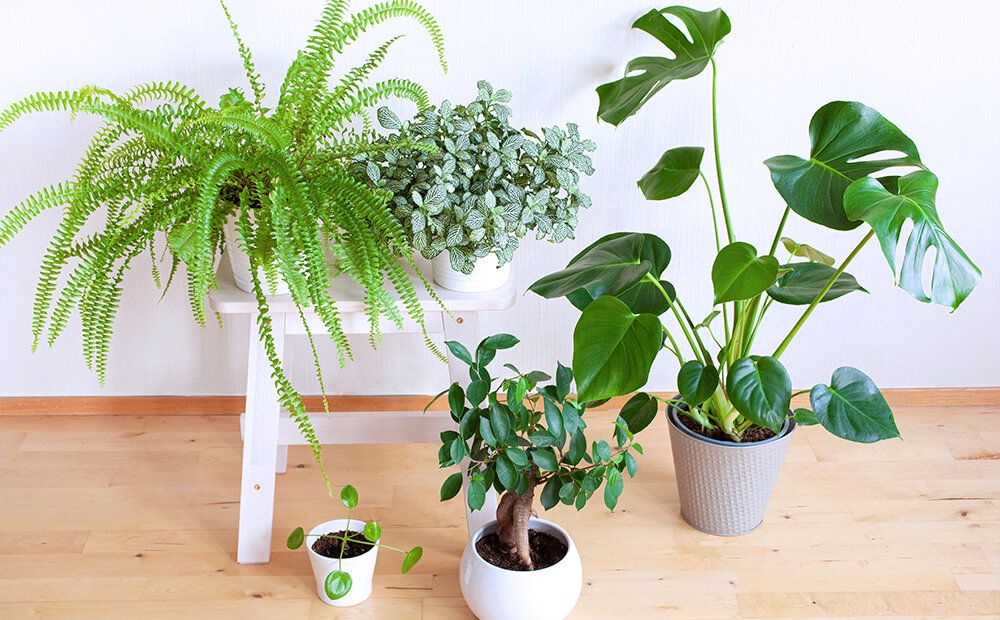
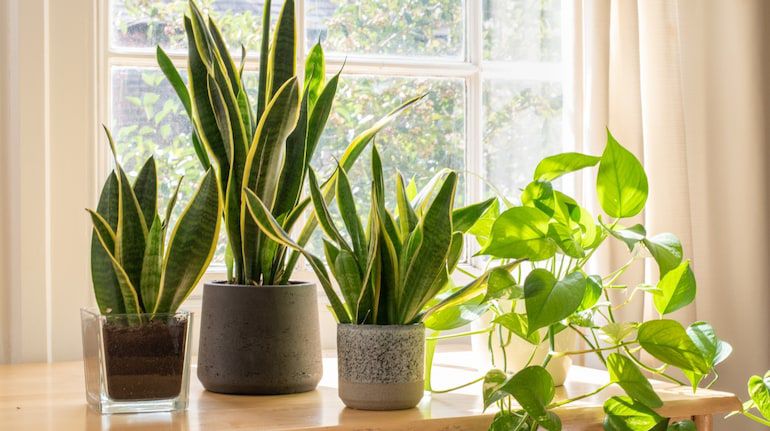
What is more powerful is how they change our perception of space. A home filled with plants feels fresher, lighter, more breathable and that alone can shift how we feel within it. Spider plants, peace lilies, and snake plants are among the best for this gentle cleansing, targeting pollutants like benzene and formaldehyde, even if modestly. But the real detox happens inside us when greenery makes us pause, breathe, and notice life unfolding at its own unhurried pace.
Focus and Flow
Houseplants do not just make spaces beautiful, they make us sharper. A 2014 study from the University of Exeter found that people working in plant-filled offices were up to 15% more productive than those in minimalist environments, with improvements in concentration and satisfaction. Other research, including a 2023 study on virtual plants, shows enhanced cognitive performance, memory retention, and creativity when plants are nearby.
Perhaps it is because green is the color of balance. It relaxes the eyes and steadies the mind, inviting focus without tension. A plant on a desk can act like a soft reminder: slow down, breathe, keep growing.
Lessons in Care and Presence
Caring for plants teaches something rare in modern life, patience. You cannot rush a leaf to unfurl or a bud to bloom. You learn to observe, adjust, and trust that growth happens quietly. And in return, your plants offer proof that small, consistent acts of care can transform a space and a mood.
In a world of constant motion, houseplants remind us to stand still for a moment. Their silent presence pulls us out of the digital noise and back into something simple and alive. They do not need to say a word to heal us. They just keep growing, one breath, one beam of light at a time and somehow, so do we





 Sure Media Magazine
Leave a comment