
Have you ever spotted a firefly twinkling in the night sky and wondered how it pulls off that magical light show? Research suggests that many animals have evolved their own built-in glow, known as bioluminescence, to thrive in dark environments. This natural light helps them in clever ways, from finding food to staying safe, though scientists are still uncovering all the details behind it.
Evidence points to bioluminescence evolving over 40 times independently across species, making it a common survival tool in oceans and on land.
It seems likely that this glow aids in hunting, defense, and communication, with variations depending on the animal’s habitat.
While fascinating, the exact reasons for glowing can differ, and ongoing studies highlight its role in ecosystems without implying it is always beneficial.
Recent 2025 discoveries, like enhanced bioluminescent tools for virus detection, show how nature’s glow inspires human innovation.
The Science Behind the Spark
Bioluminescence happens through a chemical reaction inside the animal’s body, where molecules like luciferin mix with oxygen and an enzyme called luciferase to produce “cold light” efficiently and heat-free, unlike a regular bulb. This process can create blue-green hues in the sea or yellow flashes on land. Some animals make their own light, while others team up with glowing bacteria for the effect.
Deep-Sea Glow-Ups
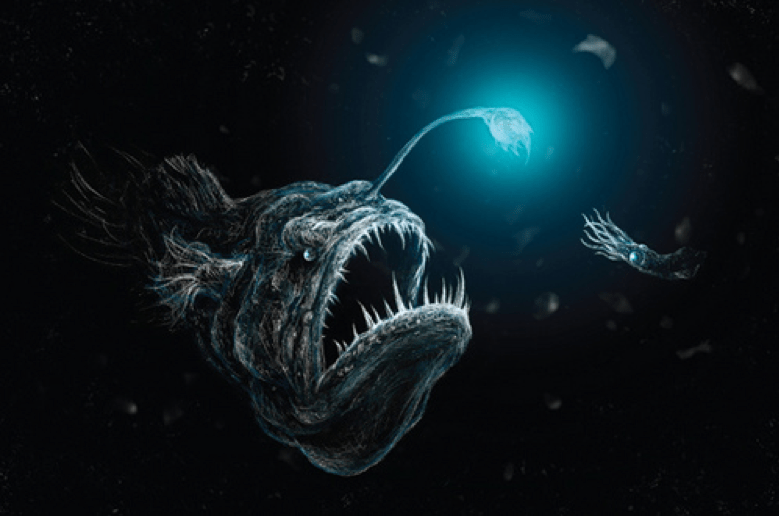
In the ocean’s midnight zone, where sunlight never reaches, up to 75% of creatures glow to survive. Take the anglerfish: it dangles a bioluminescent lure like a fishing rod to attract prey in the pitch-black depths. Squid might squirt glowing ink to confuse predators, and shrimp flash lights for camouflage or startle tactics. Recent research from 2025 reveals deep-sea shrimp have evolved super-sensitive vision tuned to spot these faint glows, adding to the wonder of underwater adaptations.

Fireflies: Flashing for Fun and Love
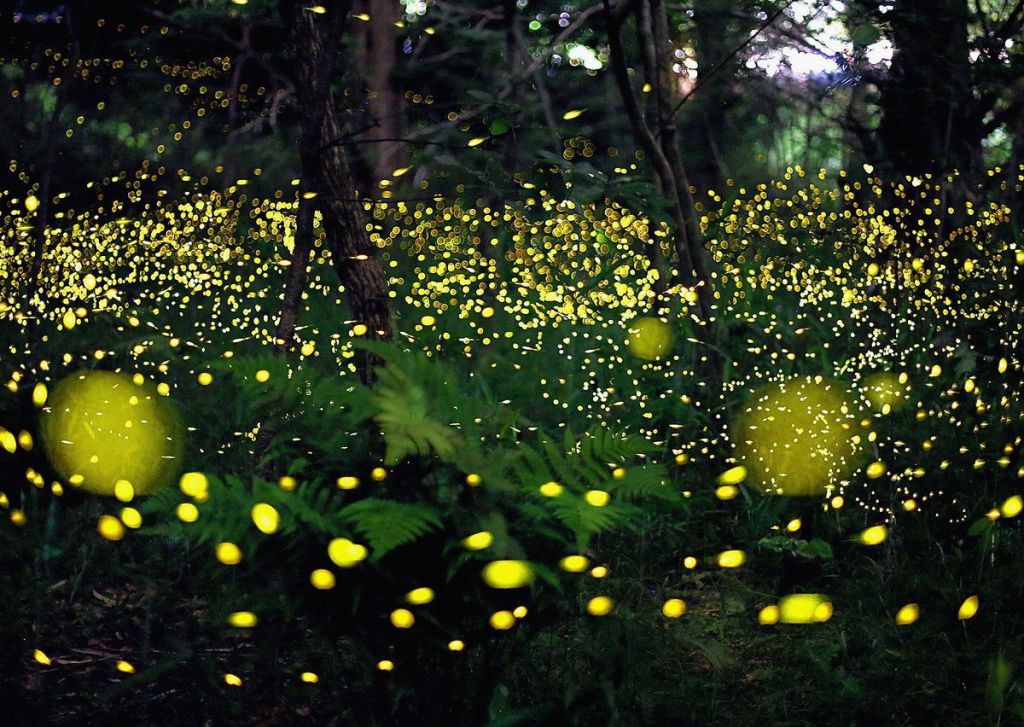
On summer evenings, fireflies (also called lightning bugs) light up fields with their yellow glow. Each species has a unique flash pattern that males signal from the air to attract females on the ground. But watch out: some sneaky females mimic patterns to lure and eat rivals! This communication helps them find mates in the dark, turning nights into a natural disco.
Glowing Gifts to Science
Nature’s light show is not just pretty, it is practical for humans too. The crystal jellyfish’s green fluorescent protein (GFP) has revolutionized biology, allowing scientists to tag and track cells in research on diseases like cancer. In 2025, breakthroughs include rechargeable glowing plants and bioluminescent tests for viruses, proving these animals’ secrets could light the path to new medicines and eco-friendly tech.
Nature’s Illuminated Wonders
From coral reefs to forests, bioluminescent animals showcase evolution’s creativity. Their glow serves as a tool for survival, a signal for connection, and even a warning. As we learn more, including 2025 sightings of massive glowing algal blooms off Australia’s coast, it reminds us to appreciate the hidden lights in our world sparking curiosity without oversimplifying the science.
🪩 Fun Fact: Bioluminescence means “living light,” from the words “bio” (life) and “lumen” (light). Imagine if you could glow to find your way home!





 Sure Media Magazine
Leave a comment