
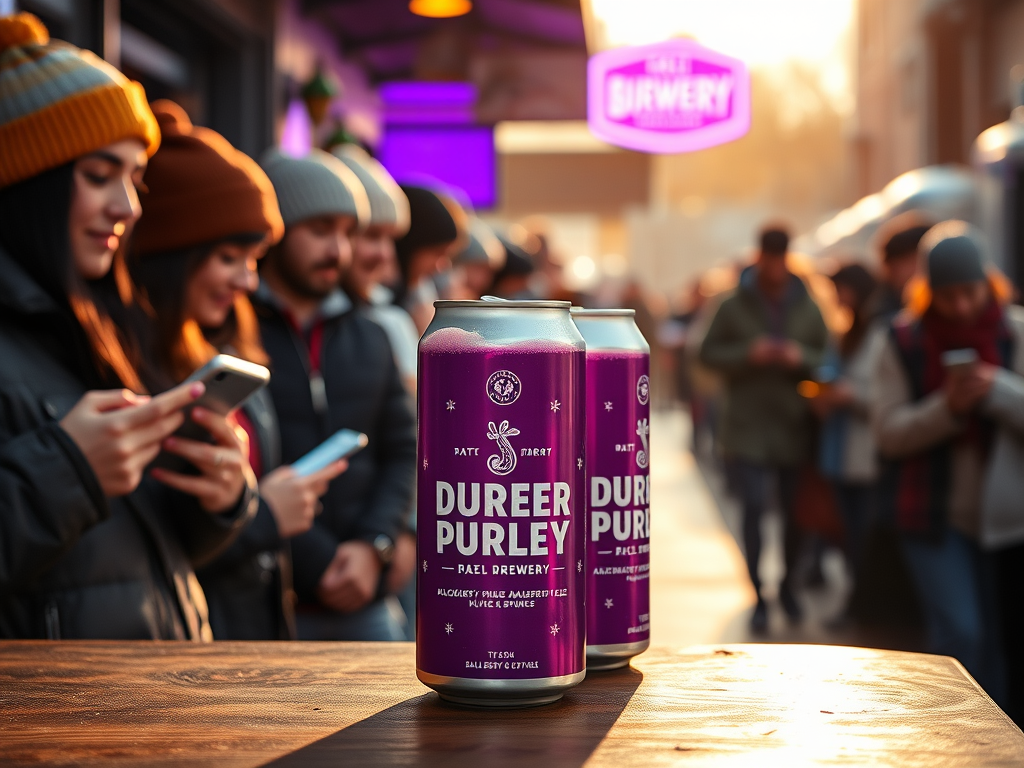
The line at the brewery snaked around the block. It looked like a tapestry of beanies and phone screens glowing in the morning light. Inside, cases of tallboy cans—filled with a thick, neon-purple beer packed with real blackberry puree—were flying off the shelf. There were no newspaper reviews, no prestigious awards listed on the menu. The hype originated elsewhere. It began on a phone screen. It was captured in a 15-second TikTok video set to a trending audio clip.
This is the new product launch. In the age of “BeerTok,” a beer’s success is increasingly measured by how shareable it is. It is not measured by its score on a ratings site. The platform’s relentless, algorithm-driven demand for spectacle is quietly rewriting the rules of craft brewing. This creates a tension between creating a lasting brand and chasing the viral flash in the pan.
For influencer like Marco, who runs the popular @CraftClips account, his power is palpable. “A single video can change a brewery’s weekend.” He scrolls through a feed of swirling hazy IPA and glistening slushy sours. “It’s not just about taste. It’s visual. You need that ‘wow’ moment—the color pop, the fruit chunks, the slow pour that shows the texture. That’s what gets the shares.” This attention economy has created a new class of “bucket list” beers. These beers are experienced as much through the camera as the palate.
Brewers are now designing for this reality. In Chicago, the team at Mikerphone Brewing is known for vibrant, decadent beers. These beers look as good as they taste. For them, the visual is part of the craft. “We’re not just selling liquid in a can,” says their head brewer. “We’re selling an experience, and that experience starts the second someone sees a video of it. If a beautiful can and a great visual helps a small brewery like us get noticed, that’s a win.”
But this shift has a cost. The relentless pace of trends, dictated by an algorithm that craves perpetual novelty, is exhausting. A beer can be the talk of the town on Tuesday and forgotten by Friday. This churn pressures brewers to constantly innovate in ways that are visually immediate. This often happens at the expense of developing subtle, seasonable flagships. These flagships build a loyal local group.
“I got into brewing to make beer I wanted to drink. I did not become a content creator,” says the owner of a traditional lager-focused brewery in the Pacific Northwest. This individual asked not to be named. “There’s a pressure to gimmick it up. To add the glitter, the fruit puree, the crazy name. It feels like we’re training a generation of drinkers to judge with their eyes first.”
And that’s the core of the shift: the primary sense of judgment has moved from the tongue to the eye. You can’t taste a beer through a screen. Yet, you can be dazzled by its color. Its opacity and the way light catches the condensation on the glass are mesmerizing. The most sought-after mouthfeel is now one you can see—a thick, smoothie-like consistency that looks luxurious on video.
The result is a cultural crossroads. The taproom line is longer than ever, but the connection can feel more fleeting. The digital campfire of TikTok has brought new energy to craft beer. It has also attracted a new audience. This is a vital injection of relevance. But as breweries dance with the algorithm, the question remains: Are they building a lasting legacy? Or are they just curating a brilliant, beautiful, and endlessly scrolling highlight reel that will one day crumble into pixels?
The next great American beer will not be discovered in a quiet tasting room. It’ll be served in a vertical video, ready for its close-up, hoping to stop your thumb from scrolling.





 Sure Media Magazine
Leave a comment