

East Africa is an amazing place for adventure lovers. You can go on safaris, relax on beautiful beaches, and meet friendly locals. You can also see breathtaking sights like the Serengeti, Mount Kilimanjaro, and wild gorillas. Countries like Kenya, Tanzania, Uganda, and Rwanda have it all—and you don’t need to spend much to enjoy them. With some planning, your money can go a long way. This simple 2025 guide offers budget-friendly travel tips. These tips will help you explore East Africa in a fun way. You can travel affordably, whether you’re solo or with friends.
Plan Ahead for Top Savings
Saving money on your East Africa trip starts before you even leave home. Pick your destinations carefully—Kenya and Tanzania have great parks and beaches, while Uganda is cheaper for gorilla trekking. You can get an East African Tourist Visa for about $100, which lets you visit Kenya, Uganda, and Rwanda. Tanzania needs a separate visa, around $50 online.
Consider traveling in the low or shoulder seasons, which are April–June or November. This timing can get you discounts of up to half off on hotels and park fees. There are fewer tourists, better wildlife views, but some rain—so pack smart.
Plan a daily budget of about $30–60 for basics like food and transport. In Tanzania, people usually spend around $112 a day, but you can spend less by choosing local food and stays. Use apps like Trail Wallet to keep track of your spending.
Getting There and Getting Around Without Breaking the Bank

Flights to East Africa can be expensive. Look for deals on airlines like Ethiopian. You can also fly into major cities like Nairobi or Dar es Salaam to save money. Once you arrive, use local transport—it’s cheap and gives you a real taste of daily life.
For long trips between cities, take public buses or matatus (shared minivans) that cost around $5–30. They’re fun, noisy, and full of local energy. For short rides, hop on a boda-boda (motorcycle taxi) for about $1–2. Always agree on the price first. Make sure to wear a helmet.
If you’re confident, hitchhiking is possible in safer parts of Kenya—stick to daytime and trust your gut. For safaris, renting a car with friends can cut costs ($15–35 a day). Skip regular taxis when you can—use apps like Bolt in big cities to spend less.
Affordable Stays That Feel Like Home
Skip the fancy resorts—East Africa has plenty of affordable, friendly places to stay. Hostels and guesthouses cost about $10–30 a night and often include shared kitchens, free breakfast, or Wi-Fi. You can find good deals on sites like Hostel world or Booking.com.
Camping is another cheap and fun choice, especially near national parks, with sites costing $10–35 a night. In Tanzania, for example, a dorm bed in Arusha is around $15. If you’re staying longer, try house sitting through Trusted House sitters. You get free accommodation in exchange for taking care of pets. Always check reviews to make sure the place is safe and clean.
Eating Local: Delicious and Dirt-Cheap
Eating in East Africa is cheap and delicious. Try local street food like ugali (corn porridge), nyama choma (grilled meat), and fresh mangoes—all for just a few dollars. You can eat well for under $6 a day if you stick to local markets and food stalls.
Visit lively places like Nairobi’s markets for chips mayai (fries with an omelette) or Zanzibar’s night market for grilled seafood. Buy fruits and veggies from roadside stands—avocados cost about 15 cents—and cook for yourself to save more. Avoid tourist restaurants; eating local is cheaper and more authentic. Drink bottled water or use a filter bottle to stay safe and save money.
Budget-Friendly Activities and Adventures
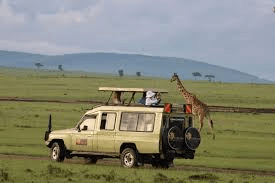
Safaris in East Africa don’t have to break your budget. You can join a group tour for about $2,000. This tour will visit several parks in Kenya or Tanzania. Alternatively, rent a car with friends for a longer self-drive trip. This can cost around $5,000 in total. If you just want a quick safari, a day in places like Amboseli can be very affordable. It can cost as little as $250, including park fees.
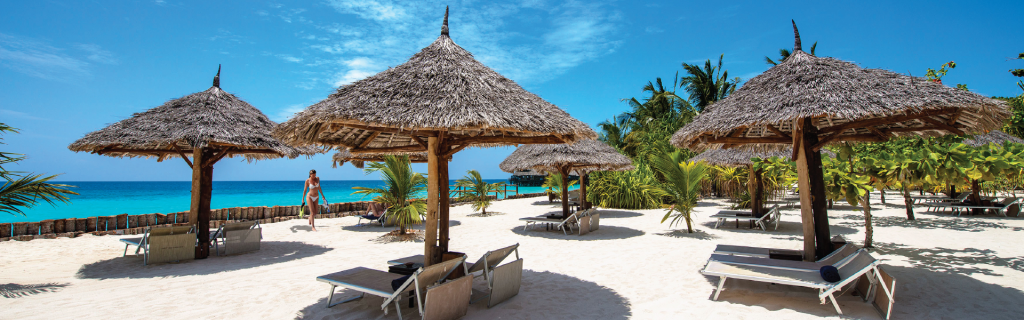
Beaches are the easy win—Zanzibar’s white sands are free, and the ferry from the mainland costs about $35. For hiking, explore free trails near Rwanda’s Volcanoes National Park. You can also hike in Uganda’s Bwindi area. Sometimes, you can spot gorillas without paying the $800 pass.
You can also experience local culture cheaply. Visiting a Masai village, for example, costs around $10–20 with a local guide. It’s often better to book these small experiences in person so you can bargain for fair prices.
Smart Money Tips and Safety Essentials
Bargaining is part of daily life in East Africa. Whether at markets or for transport, you can often cut prices in half. Buy a local SIM card, like Vodacom in Tanzania for about $12 with data, to save on roaming. Use ATM in cities for better exchange rates, but keep some cash for smaller towns.
Stay safe by avoiding dark areas at night and using licensed taxis. Get travel insurance that includes medical evacuation, and remember you’ll need a yellow fever vaccine in many countries. Petty theft can happen, so keep valuables secure. Bring malaria tablets and drink treated or bottled water to stay healthy.
Wrapping Up Your East African Adventure
Budget travel in East Africa is all about adventure and openness—friendly bus rides, tasty market food, and unforgettable wildlife moments. With smart planning, local meals, and low-cost activities, you can have an amazing trip without spending much. Stay flexible, start simple, and enjoy the journey—East Africa gives back to those who explore it with curiosity and care.





 Sure Media Magazine
Leave a comment