
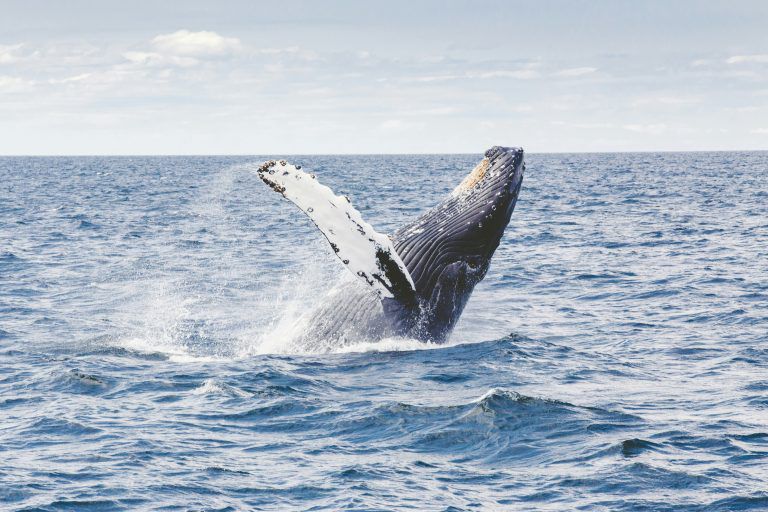
Research indicates that humpback whale migrations along Kenya’s coast occur primarily from July to October, with peaks in August and September, as these giants travel from Antarctic feeding grounds to warmer equatorial waters for breeding and calving.
Evidence suggests a historical layer of whaling in the 19th century, where East African ports, such as Zanzibar and Mombasa, served as resupply points for American and European ships. However, direct whaling in Kenyan waters was limited compared to other regions.
Modern conservation efforts, such as those in Watamu Marine National Park, have shifted their focus from exploitation to protection, promoting sustainable tourism and community involvement. Meanwhile, organizations like Local Ocean Conservation emphasize education and habitat restoration.
The Annual Spectacle of Migration
Every year, between July and October, the Indian Ocean off Kenya’s coast transforms into a stage for one of nature’s most captivating events: the migration of humpback whales. Thousands of these majestic creatures journey northward from the cold Antarctic waters to the warmer equatorial seas to breed and give birth, with sightings concentrated around areas like Watamu, Kilifi, Diani Beach, and Malindi. Local fishermen often describe sensing their presence before visual confirmation of a subtle shift in the ocean’s rhythm.
“The ocean gets heavier,” shares Mzee Saidi, a retired boatman from Kilifi. “When the whales come, even the dhows move more slowly. It’s like the sea holds its breath.”
This migration not only highlights the resilience of humpback populations but also underscores the interconnectedness of global marine ecosystems, where these whales play a key role in nutrient cycling and ocean health.
Echoes of a Whaling Past
While today’s migrations evoke wonder, these routes once echoed with the pursuits of 19th-century whalers. American and European vessels, venturing into the Western Indian Ocean, frequently anchored at East African ports such as Zanzibar and Mombasa for provisions like food and water. Records show that whaling grounds extended to areas east of Zanzibar, where ships harvested sperm whales, and the oil extracted fueled lamps in distant cities like Boston and London. This era intertwined with colonial trade networks, including the commodification of local labor and resources, though whaling’s direct impact on Kenyan coasts appears more peripheral than in regions like the Pacific.
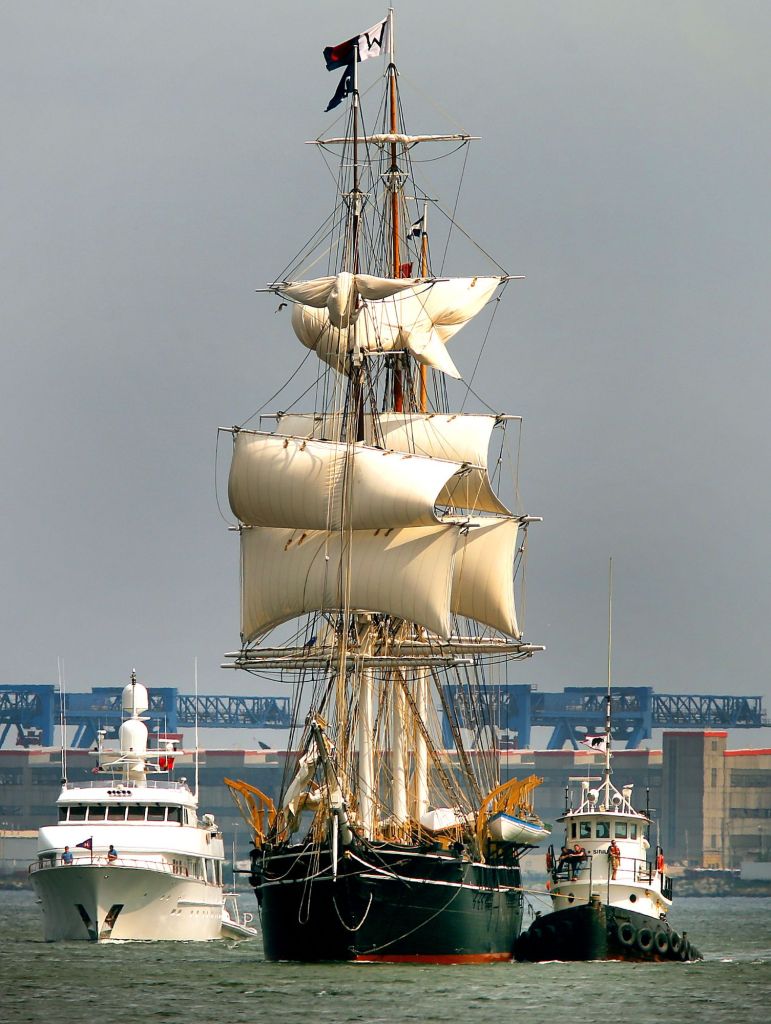
These historical traces are often overlooked in global whaling narratives, yet they reveal how East Africa was woven into broader networks of extraction. Today, the shift from hunting to observation marks a profound change, with whale watching emerging as a sustainable alternative that supports local economies without harm.
Guardians of the Sea: Conservation in Action
In places like Watamu Marine National Park, established in 1968, communities have become stewards of these waters. Whale-watching tours, guided by codes of conduct to minimize disturbance, generate income while fostering awareness of marine conservation. Organizations such as Local Ocean Conservation play a vital role, focusing on sea turtles, mangroves, and coral reefs through rehabilitation, education, and community outreach programs that engage over 26 local groups.
“Every time a whale breaches, it’s like the sea is forgiving us,” reflects Nyambura, a marine biologist in Watamu. “These animals remind us that the ocean remembers everything but it also lets us begin again.”
Efforts under Kenya’s Wildlife
Conservation and Management Act protects these species, prohibiting harmful activities and promoting eco-friendly practices. This transition reflects a broader movement where tourism aids preservation, though challenges like bycatch and climate change persist.
A Story of Renewal
The humpback whales’ return symbolizes renewal, bridging a past of exploitation with a future of harmony. The Swahili phrase ‘bahari ni uhai’ “The sea is life” resonates deeply along these coasts, encapsulating how the ocean sustains both livelihoods and legacies. As whales arc through the waves, they invite reflection on our shared responsibility to protect these vital waters.





 Sure Media Magazine
Leave a comment