
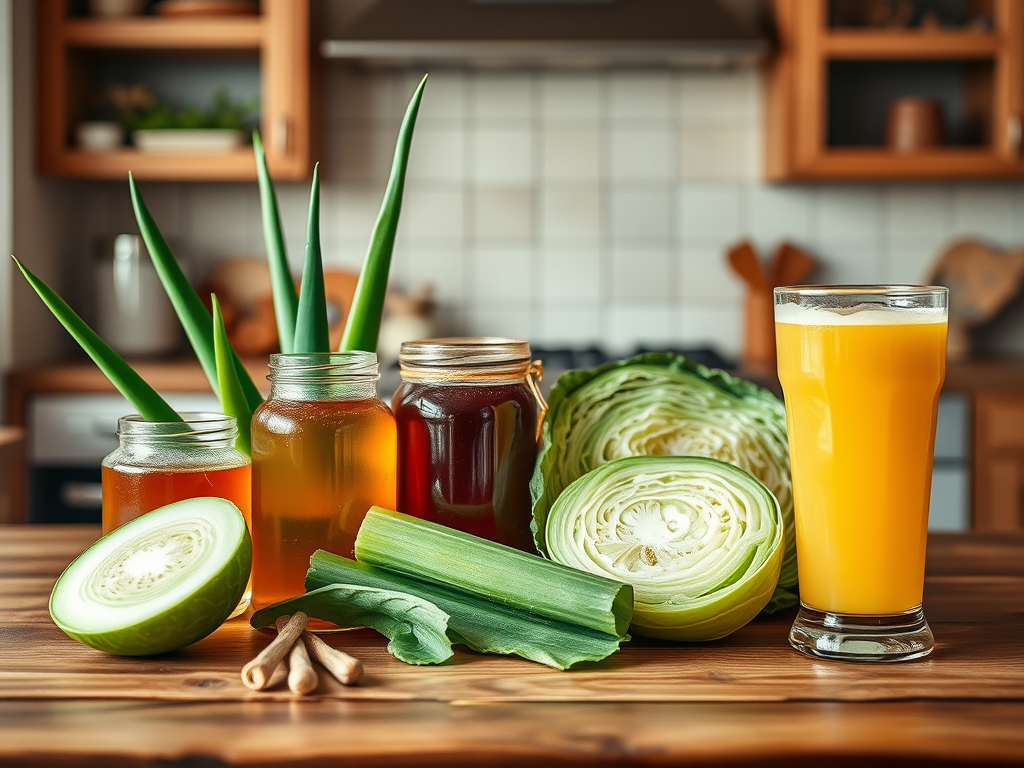
Home Remedies for Treating Ulcers: A General Guide
What are ulcers?
Ulcers are open sores that develop when the lining of the stomach, small intestine, or even the esophagus gets damaged. They’re most often caused by a bacterial infection, specifically Helicobacter pylori. Long-term use of anti-inflammatory drugs like ibuprofen or aspirin can also lead to ulcers.
They can cause burning pain in the stomach area. Nausea and bloating are also possible symptoms. Discomfort can get better or worse with food. Most aren’t dangerous if treated, but left unchecked, they can cause bleeding or more serious issues.
Here is what you need to treat ulcers at home

Understanding Ulcers and When Home Remedies Help
Ulcers develop when the protective linings in the tissue break down. The most common reasons are acid, bacteria, or decreased blood supply. Most common types are:
- Peptic ulcers: In the duodenum or stomach, often linked with H. pylori or NSAIDs like ibuprofen.
- Mouth ulcers (canker sores): Little sores in the mouth due to stress, trauma, or diet.
Home remedies alleviate symptoms. They aid in healing. These remedies can prevent the return by decreasing inflammation, waging war on bacteria, and aiding digestion. Best for mild symptoms and as an accompaniment for prescribed medications like antibiotics or proton pump inhibitors
Evidence-Based Home Remedies
Several natural remedies have been promising in trials for ulcer symptom relief. Be attentive to those for their anti-inflammatory, antimicrobial, or protective actions. Here’s the classification for common remedies for use for most types of ulcers, with details on specifics.
- Honey
particularly Manuka honey, has antimicrobial properties for fighting H. pylori as well as for supporting wound healing. Use it directly for mouth or skin ulcers on the skin or take 1 t-spoon orally for internal ones. Use it in warm water or tea for peptic ulcers. Don’t use honey for children below 1 year old for the risk of botulism - Aloe vera
This plant’s gel soothes inflammation and inhibits H. pylori growth. Drink diluted aloe vera juice (1/4 cup daily) for stomach ulcers. Apply the gel topically to mouth or skin sores. Make sure it’s food-grade for internal use and patch-test for allergies.
3. Probiotics
Found in yogurt, kefir, or supplements, Probiotics restore gut balance and enhance ulcer healing when mixed with standard treatments. Aim for strains like Lactobacillus for peptic ulcers; consume fermented foods daily.
4. Cabbage Juice
Rich in vitamin C and anti-ulcer compounds, fresh cabbage juice has been used historically to treat peptic ulcers. Blend half a cabbage and drink 1/2 cup before meals. It can help repair the stomach lining.
5.Flavonoid-Rich Foods
Berries, apples, onions, and teas contain flavonoids that protect against H. pylori and reduce inflammation. Incorporate them into your diet for general ulcer support.
6.Herbal Teas (Chamomile, Ginger, or Licorice)
Herbal teas like chamomile, ginger, and licorice can gently support ulcer healing. Chamomile helps relax the stomach and reduce irritation. Ginger soothes nausea and inflammation. DGL (a safer form of licorice) forms a protective layer on the stomach lining. Drinking one or two cups a day can bring relief. Nonetheless, if you struggle with high blood pressure, you should skip regular licorice.
Potential Risks and Precautions
While most natural remedies are safe, they’re not risk-free. Some, like aloe vera, can cause diarrhea, and taking too much licorice can raise your blood pressure. If you’re pregnant, consult a doctor before trying them. If you have ongoing health issues, it’s also advisable to speak to a healthcare provider. Additionally, if you use blood thinners, checking with a doctor is essential. Mild ulcers start to heal within a week or two. Still, deeper ones—especially peptic or skin ulcers—can take several weeks or even months to fully recover.
When to Seek Professional Help
Don’t rely solely on home remedies if you experience:
- Severe, persistent pain
- Blood in vomit or stools (black/tarry appearance)
- Unexplained weight loss
- Fever or signs of infection
- Ulcers that don’t heal after 2 weeks
These show complications requiring antibiotics, endoscopy, or surgery. Early diagnosis is key, as most ulcers are treatable with proper care.
Conclusion
Home remedies like honey, aloe vera, and probiotic foods offer accessible ways to ease ulcer discomfort. They also support healing, particularly for peptic and mouth types. Mixed with a balanced diet and stress reduction, they can improve quality of life. Remember, these are supportive measures—pair them with medical guidance for the best outcomes. If you’re dealing with ulcers, track your symptoms and seek help promptly to prevent escalation.





 Sure Media Magazine
Leave a comment