
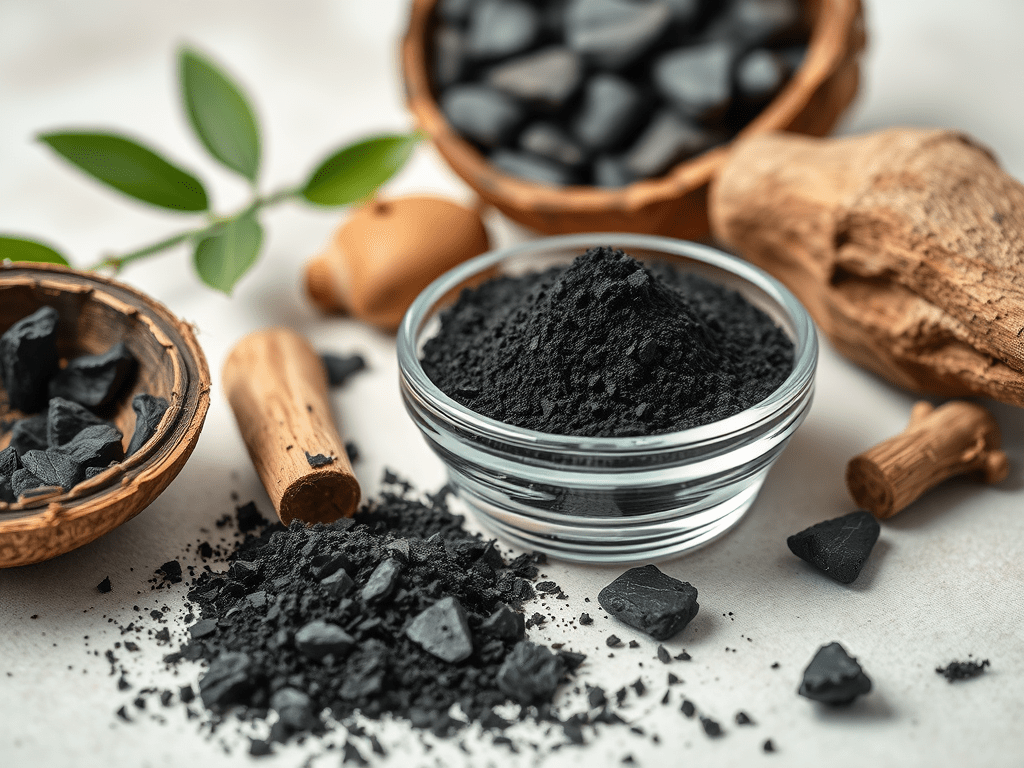
A Trendy Black Powder with a Big Reputation
Activated charcoal is a processed form of carbon known for trapping toxins. It has become a wellness craze. You can find it in cafes as black drinks and in products like toothpaste and face masks. There are claims it can detox the body, reduce bloating, and even cure hangovers. Its popularity has surged from hospitals to health stores. While it has real medical uses, the science doesn’t fully support many of the trendy promises. This article delves into what activated charcoal actually is. It also covers the benefits backed by research. The article highlights the risks that can’t be ignored. Additionally, it addresses the myths driving its hype. This gives clear insight so readers can make informed choices. Ideally, these decisions are made with medical guidance.
What Exactly Is Activated Charcoal?
Activated charcoal isn’t the same as barbecue charcoal. It’s a specially treated form of carbon. It is made from sources like coconut shells, wood, or peat. After being heated into charcoal, it’s “activated” with steam or chemicals at very high temperatures. This process creates a vast network of tiny pores. It is so porous that a teaspoon can cover the area of a football field. These pores allow it to work through adsorption. Toxins, gases, or chemicals stick to its surface. Unlike a sponge, they are not absorbed. Used for centuries, it has served various purposes. Ancient Egyptians treated poisonings with it. Doctors refined it in the 1800th. Now, it is found in powders, capsules, soaps, masks, and toothpastes. In hospitals, it’s mixed with water for emergencies. Unlike raw charcoal, it’s purified and free of harmful additives to make it safe for specific uses.
The Real Benefits: What Science Says
Activated charcoal has some solid uses, especially in medicine, but other claims are shakier. Here’s what the research supports, broken down into clear categories.
1.Saving Lives in Poisonings
If someone accidentally swallows a toxic substance, like too many painkillers or pesticides, activated charcoal can be a game-changer. Hospitals use it to trap these toxins in the stomach or intestines, stopping them from entering the bloodstream. It works best if given within an hour or two. It is a staple on the World Health Organization’s essential medicines list. Adults get 50 to 100 grams, sometimes more, mixed into a slurry. It’s effective for drugs like aspirin or sedatives but useless for things like alcohol, acids, or heavy metals like lead.
2.Easing Gas and Bloating
Ever felt uncomfortably bloated after a big meal? Activated charcoal help by soaking up gas in your intestines, making you feel lighter. Studies show it can clear gas bubbles for clearer ultrasound or colonoscopy images. It sometimes works better with simethicone, a gas-busting ingredient. There’s also early evidence it can ease diarrhea or pain in conditions like irritable bowel syndrome. Still, it’s not a go-to fix for every tummy trouble.
3.Helping Kidneys in a Pinch
Activated charcoal can act like a helper for people with chronic kidney disease. It binds waste products, like urea, in the gut. This lighten the load on struggling kidneys. Tests on animals show it reduces inflammation. Some human studies suggest better kidney health markers. Still, it’s not a replacement for dialysis or standard treatments. Only use it with a doctor’s okay.
4.Cleaning Water
Outside the body, activated charcoal shines in water filters. It pulls out chlorine, chemicals, and some metals. That’s why it’s in your Brit pitcher or aquarium tank. It also helps with diarrhea by binding bacteria or toxins. In skin products, it draw out oils.
5.Teeth whitening
It works more like a gentle abrasive, polishing away discoloration rather than bleaching teeth. The effect is limited to surface stains. Overuse wear down enamel or irritate gums. Hence, dental experts often recommend caution and moderation.
The Risks You Can’t Ignore
Activated charcoal isn’t all rosy—it comes with real downsides. It can upset your stomach, causing nausea, vomiting, constipation, or diarrhea, especially at high doses. Your poop or tongue turn black, which is harmless but weird.
A bigger worry is that it doesn’t just trap toxins. It can grab your medications, vitamins, or nutrients. This makes them less effective. This messes with birth control, antidepressants, or other critical drugs. Using it long-term can even lead to nutrient shortages.
In rare cases, inhaling the powder (like if you vomit) can harm your lungs. It’s a no-go for people with gut issues or after swallowing corrosives
Busting the Marketing Hype
The wellness industry loves to oversell activated charcoal. Let’s set the record straight on some common myths.
Myth 1: It’s Your Daily Detox Hero
Those detox juices promise to flush out all your body’s toxins. Nevertheless, activated charcoal only works in your gut. It doesn’t cleanse your blood or organs. Your liver and kidneys already do that job.
Myth 2: It will Fix Your Hangover
Sorry, that charcoal cocktail won’t save you after a night of drinking. It doesn’t bind alcohol well, and by the time you’re hungover, the alcohol’s already in your system
Myth 3: It Solves Cholesterol or All Gut Issues
Claims that activated charcoal lowers cholesterol or cures all gut problems are largely exaggerated. A few small studies suggest it can reduce certain cholesterol levels. They also show it ease specific digestive issues. Nonetheless, the evidence is limited and inconsistent. It doesn’t solve the root causes of high cholesterol. It is also not a universal remedy for bloating, diarrhea, or conditions like irritable bowel syndrome. In fact, using it carelessly can sometimes make stomach troubles worse and block the absorption of nutrients. The idea that it’s a one-size-fits-all solution for gut health is more marketing than science.
Conclusion
Activated charcoal is a powerhouse for emergency poisonings. It can ease gas or help kidneys in specific cases. Nonetheless, it’s not a cure-all. Risks like stomach issues or drug interactions mean you should tread carefully. Many trendy claims—like detoxing your whole body—are just marketing fluff. If you’re curious about trying it, stick to proven uses and talk to a doctor first. Focus on facts, not fads, and you’ll make smarter choices. Want to dive deeper? Check trusted health sources and keep asking questions—it’s the best way to stay healthy .




 Sure Media Magazine
Leave a comment