

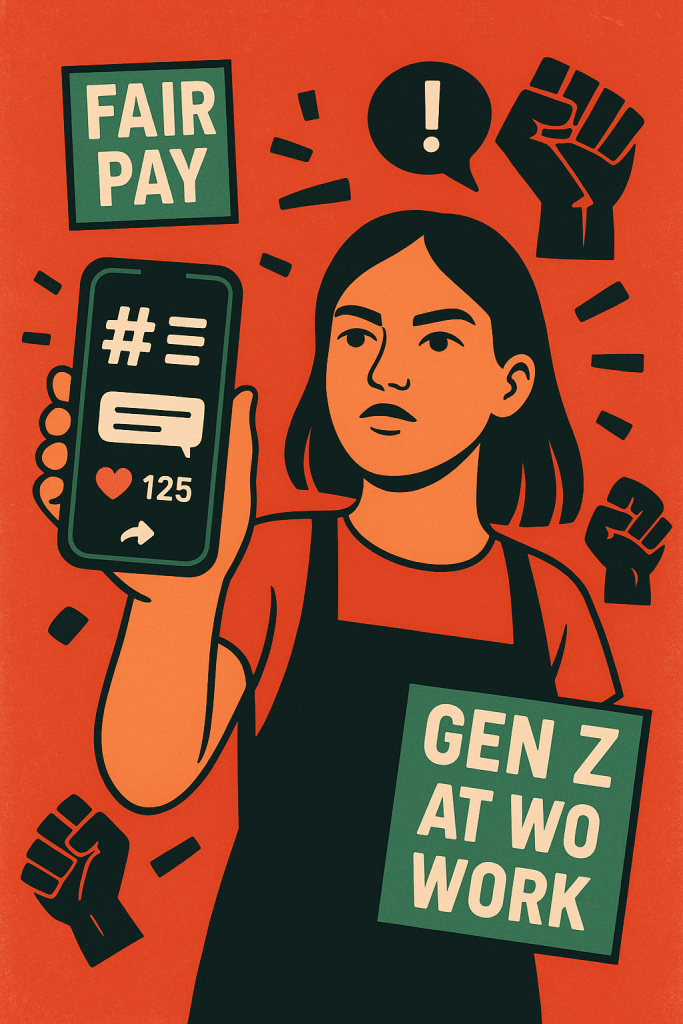
In early 2025, a young barista at a Starbucks in Seattle posted a TikTok video capturing a chaotic shift amid understaffing, captioning it: “This is what $15 an hour gets you burnout and no backup.” The clip surged to over 2 million views within hours, drawing comments like “Unionize now!” and “Solidarity from Amazon workers.” This viral spark exemplifies how Generation Z is redefining labor activism, moving picket lines to digital screens and comment sections into organizing hubs.
As of September 2025, Gen Z now a major workforce segment with participation rates around 59.5% is fueling a labor revival amid economic pressures like stagnant wages and gig instability. Their tech-savvy, values-driven approach has led to notable wins, including over 650 unionized Starbucks stores and expanded strikes at Amazon, but also intensified corporate countermeasures. Drawing from recent reports, case studies, and social media trends, this article explores the mechanics, successes, hurdles, and potential of this movement.
The Digital Picket Line: Platforms as Power Tools
Gen Z treats TikTok, Reddit, and Discord as essential organizing infrastructure, not just social apps. These tools enable instant sharing of grievances, turning private frustrations into public calls for action. “QuitTok” trends, where workers film dramatic exits from toxic jobs, have inspired widespread solidarity, with videos often reaching millions and prompting employer responses faster than traditional filings.
On Reddit, subreddits like r/antiwork (over 2.5 million members) host pay transparency threads and tactic discussions. Discord provides encrypted servers for strategy, mirroring its use in global youth movements like Nepal’s 2025 uprisings. A 2025 Economic Policy Institute (EPI) analysis highlights how these platforms foster “horizontal solidarity,” connecting U.S. warehouse workers with global peers. Discussions on X (formerly Twitter) amplify this through memes and reels tying into broader causes like climate action.
This digital agility democratizes activism, especially for gig and part-time roles inaccessible to conventional unions. However, challenges like algorithm suppression and misinformation persist, with varying success rates.
Beyond Wages: An Intersectional Battle for Justice
Gen Z expands labor demands to encompass social justice, viewing wages as intertwined with equity issues. Influenced by Black Lives Matter and climate strikes, they push for racial equity, LGBTQ+ protections, mental health support, and environmental accountability.
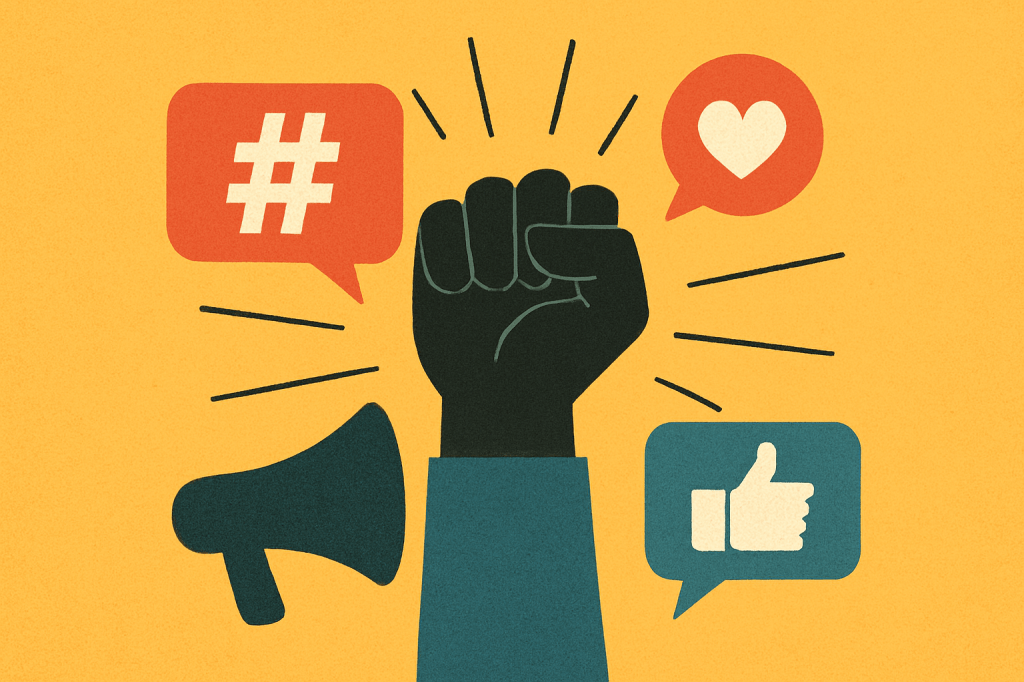
A 2025 Center for American Progress study notes that holistic framing addresses systemic inequities, such as pay gaps for BIPOC workers or inaccessible gender-affirming care. In nonprofits, young staff use petitions for equity audits aligned with missions. X debates reflect tensions: some laud inclusivity, others fear it dilutes economic focus. Gallup polls show 71% union approval among 18–29-year-olds, with EPI citing 90% for young workers overall.
This approach builds alliances but complicates talks with unions prioritizing quantifiable gains.
Old Tools, New Energy: Hybrid Tactics and Case Studies
Gen Z merges digital innovation with union staples, revitalizing slow processes. Online spreadsheets exposing pay gaps can lead to formal votes.
Starbucks Workers United: By mid-2025, over 650 stores (14,305 workers) unionized, up from 500 in 2024, using TikTok exposés and Discord planning. Demands include better hours, pay, and resolving unfair practices; ongoing negotiations face stalls.
Amazon Labor Union (ALU-IBT): In 2025, strikes hit eight sites in December 2024 (extending into early 2025), with 600 workers demanding recognition. Encrypted apps aided covert organizing amid high turnover; victories include California Teamsters wins in April 2025.
Nonprofits: Young staff leverage Slack and Reddit for equity drives, yielding reforms but tensions.
Bureau of Labor Statistics (BLS) data shows a 0.2% union uptick in 2024, youth-led in retail and education. Gen Z’s creativity, like AI memes, shines, but employer resistance tempers results.
The Risks: Navigating Surveillance and Retaliation
Visibility brings dangers: Employers deploy algorithms to monitor organizing, leading to firings. 2025 Human Rights Watch updates detail Amazon cases of flagged chatter resulting in dismissals. Starbucks faces lawsuits over retaliation, including benefit threats.
Paradoxically, backlash virals: Fired workers’ stories draw scrutiny, as in 2025 Starbucks dress code suits. Gen Z uses VPNs, but marginalized workers remain vulnerable. MIT warns of doxxing. Global crackdowns, like in Asia, add layers. This fuels calls for anti-surveillance laws.
A New Era: Toward Wall-Less Union Halls
Gen Z’s activism demonstrates change via smartphones and networks, forcing value-based reckonings. AFL-CIO forecasts hybrids boosting inclusivity in gig sectors. With youth participation at 59.5%, influence grows. X discussions mix optimism with skepticism versus fragmentation.
Ultimately, hashtags may replace halls, echoing dignity demands. Gen Z injects urgency, diversity, and resilience into labor.





 Sure Media Magazine
Leave a comment