
Introduction
Imagine your favourite maize field, once vibrant and green, now withered and brown under a relentless sun. Picture the road to your local market, now an impassable river of mud after an unexpected downpour. Think of the rising cost of the food on your plate, a direct result of a failed planting season.
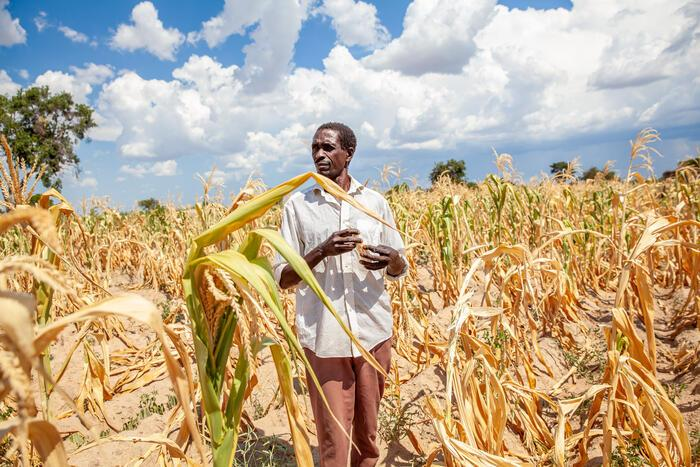
A-withered-maize-field-in-Africa
This is not a scene from a distant future. This is the reality for millions of Kenyans and Africans today. These are the fingerprints of a global phenomenon, one that we often hear about but may not fully understand: climate change. It’s a complex term, but its effects are simple, direct, and personal. It is reshaping our lives, our health, and our children’s futures.
But what if we told you that understanding this problem is the first step to solving it? What if the power to build a more resilient future lies not only with world leaders but also in our daily choices and conversations? This blog will break down the science of climate change, highlight its profound impacts on Africa, and show you the practical steps we can all take to be part of the solution.
What Exactly is Climate Change?
Many people confuse climate with weather. Weather is the temperature and rain you see today. Climate is the long-term pattern of weather in a specific area, averaged over 30 years or more.
Climate change, therefore, refers to significant, long-term shifts in these global or regional climate patterns. While the Earth’s climate has changed naturally over millennia, the current change is different. It is happening faster than ever before, and it is overwhelmingly driven by human activity. In essence, our actions have turned up the planet’s thermostat, and Africa, despite contributing the least to the problem, is feeling the heat most acutely.
The Science Simplified: What’s Causing the Heat?
The primary driver of modern climate change is the enhanced greenhouse effect. Think of the Earth as having a blanket around it. This blanket is a layer of gases in our atmosphere—like carbon dioxide (CO2), methane, and nitrous oxide—that naturally trap some of the sun’s heat, keeping our planet warm enough for life.
The problem is, we are making this blanket too thick.
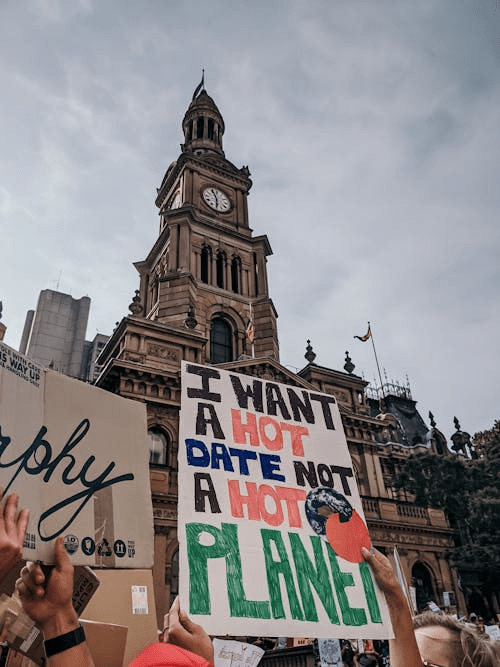
Since the Industrial Revolution, human activities have been pumping excessive amounts of these greenhouse gases into the atmosphere.
Here’s how we’re doing it:
1. Burning Fossil Fuels: This is the biggest culprit. When we burn coal, oil, and gas for electricity, to power our cars, and to run our factories, we release massive amounts of CO2. For example, a single litre of petrol burned in a car releases about 2.3 kg of CO2 into the air.
Burning-of-fossil-fuel-increasing-CO2-in-the-atmosphere
2. Deforestation: Forests are the Earth’s lungs. They absorb CO2 and store it. When we cut down trees for charcoal, agriculture, or timber, we not only stop this absorption but also release the stored carbon back into the atmosphere. The UN’s Food and Agriculture Organization (FAO) states that Africa lost nearly 3.9 million hectares of forest per year between 2010 and 2020. The loss of the Congo Basin rainforest, the world’s second-largest, is a critical concern.

Deforestation-of-a-section-of-Karura-forest-Kenya
3. Agriculture and Livestock: Modern farming practices contribute significantly. Livestock like cattle, goats, and sheep produce large amounts of methane during digestion. Additionally, the use of synthetic fertilizers releases nitrous oxide, a greenhouse gas nearly 300 times more potent than CO2.
4. Waste Management: Open burning of garbage, especially in urban areas, and decomposing waste in landfills release a toxic cocktail of CO2 and methane into the air.
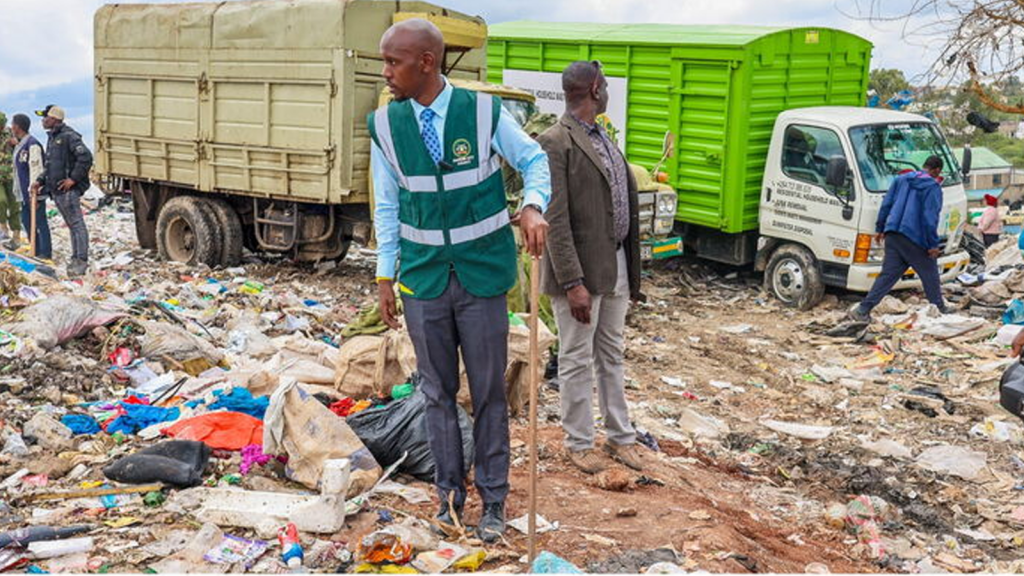
Illegal-dumping-inspection-by-city-official-in-Nairobi-Kenya
The Local Reality: How Climate Change is Unfolding in Africa
Africa is warming faster than the global average. According to the World Meteorological Organization, even if global warming is limited to 1.5°C, parts of Africa could see temperatures rise by up to 2°C. This isn’t a future threat; it’s a present-day crisis.
Food Insecurity: Our agriculture is predominantly rain-fed. Climate change has disrupted traditional rainfall patterns, leading to prolonged droughts and unpredictable short rains. The Horn of Africa recently endured its worst drought in 40 years, pushing over 23 million people into severe hunger. In Kenya, maize production in key growing regions has consistently fallen short, contributing to rising food prices.
Water Scarcity: Our great water sources are shrinking. Lake Chad, which supports nearly 30 million people in four countries, has shrunk by a staggering 90% since the 1960s due to reduced rainfall and higher evaporation. In Kenya, rivers that feed into our largest dams are experiencing reduced flow, leading to water rationing in cities and conflicts between farmers and herders over scarce water points.
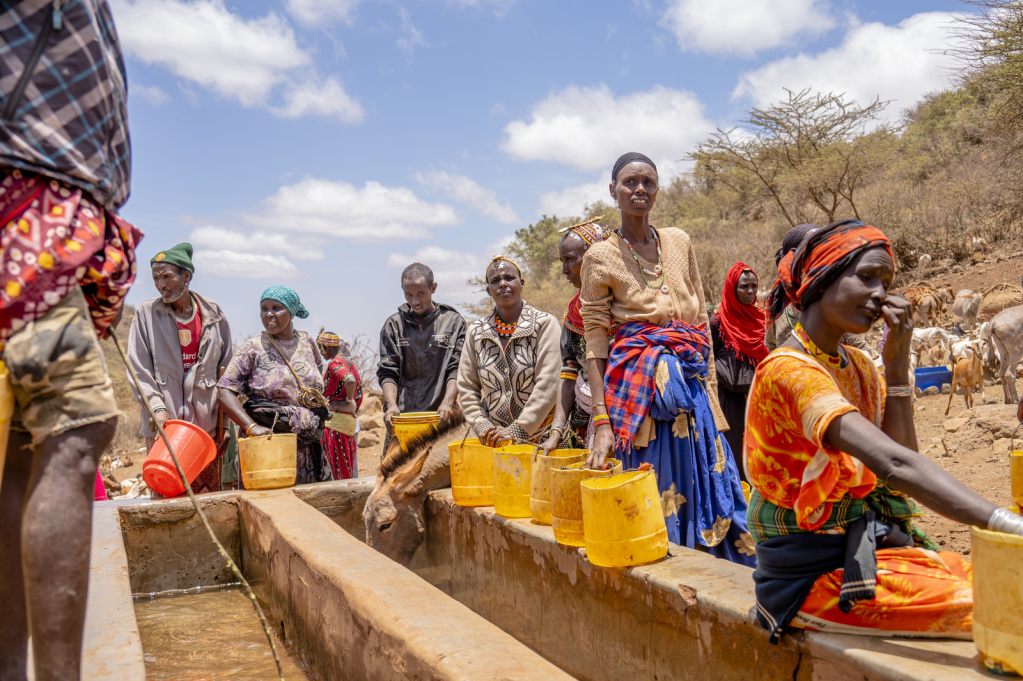
Water-scarcity-due-to-prolonged-droughts-in-Africa
Extreme Weather and Displacement: While some regions dry up, others are inundated. The 2023 flash floods in Kenya displaced over 300,000 people, destroying homes, infrastructure, and livelihoods. Cyclones like Idai and Kenneth, which devastated Southern Africa, are becoming more intense and destructive.

Thousands-displaced-by-cyclone-Kenneth-in-Mozambique-2019
Health Risks: A warmer climate expands the territory for disease-carrying mosquitoes, putting more communities at risk of malaria and dengue fever. Floods contaminate water sources, leading to cholera outbreaks. Heat stress and malnutrition from crop failures are creating a new public health burden.
Economic Losses: The African Development Bank warns that Africa could suffer an annual GDP loss of 5-15% by 2030 due to climate change. This means less money for building schools, hospitals, and roads, and fewer opportunities for our youth.
Our Power to Change the Narrative: What You Can Do
The scale of the problem can feel overwhelming, but collective action starts with individual choices.
Your actions matter. Here’s how you can contribute:
1. Embrace Energy Efficiency: Turn off lights and unplug electronics when not in use. Switch to energy-saving LED bulbs. When possible, consider investing in a solar lamp or a small solar home system. It’s cleaner and, in the long run, cheaper.
2. Become a Tree Guardian: You don’t have to plant a forest alone. Join a local community tree-planting drive. If you have space, plant an indigenous tree. Protect the existing trees in your compound and community. They are your natural air conditioners and water regulators.

Tree-planting-at-Lela-primary-school-in-Ahero-Kenya-led-by-Teacher-Mabel
3. Rethink Your Waste: Carry a reusable bag when shopping. Avoid single-use plastics like bottled water where tap water is safe. Start a small compost pit for your kitchen waste—it creates excellent fertilizer for your garden.
4. Make Smarter Transport Choices: For short distances, walk or cycle. It’s good for your health and the planet. When possible, use public transport instead of a personal car. If you must drive, consider carpooling with neighbours or colleagues.
5. Start the Conversation (The Most Important Step): Climate change can no longer be a silent crisis. Talk about it.
* Discuss the unusual weather with your family over dinner.
* Share this article or other reliable information on your WhatsApp groups and social media.
* Ask your local community leaders what climate adaptation plans are in place.
* Encourage your church, mosque, or school to hold a discussion on environmental stewardship.

A-community-in-Tanzania-being-engaged-on-climate-change
When we talk about it, we break the cycle of inaction. We build a community of the informed, and from there, we can demand and create change.
Conclusion: Our Shared Future, Our Collective Responsibility
Climate change is here. It is real, and it is personal. The science is clear: our actions have thickened the Earth’s blanket, and Africa is overheating. The impacts—from the hungry child in the drought-stricken north to the family displaced by floods in the west—are a stark reminder of our vulnerability.
But we are not powerless. We have the knowledge and the capacity to adapt and mitigate. By saving energy, planting trees, reducing waste, and simply starting conversations, we send a powerful message. We declare that we care about the land that feeds us, the water that quenches our thirst, and the future we will leave for our children.
A healthier, more secure Africa begins with you. Let’s act today. Let’s talk, let’s change, and let’s grow a future we can all be proud of.




 Sure Media Magazine
Leave a comment