
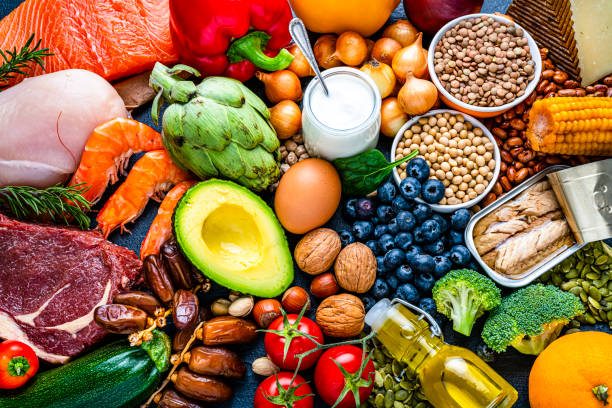
It’s easy to assume that refrigeration universally prolongs shelf life—but that’s not always true. Some foods actually degrade in flavor, texture, or aroma when chilled. Refrigeration may even introduce moisture or spur unwanted chemical changes. Let’s explore why warm, dry storage is often the smarter choice.
Pantry Power Players You Should Never Refrigerate
1. Tomatoes
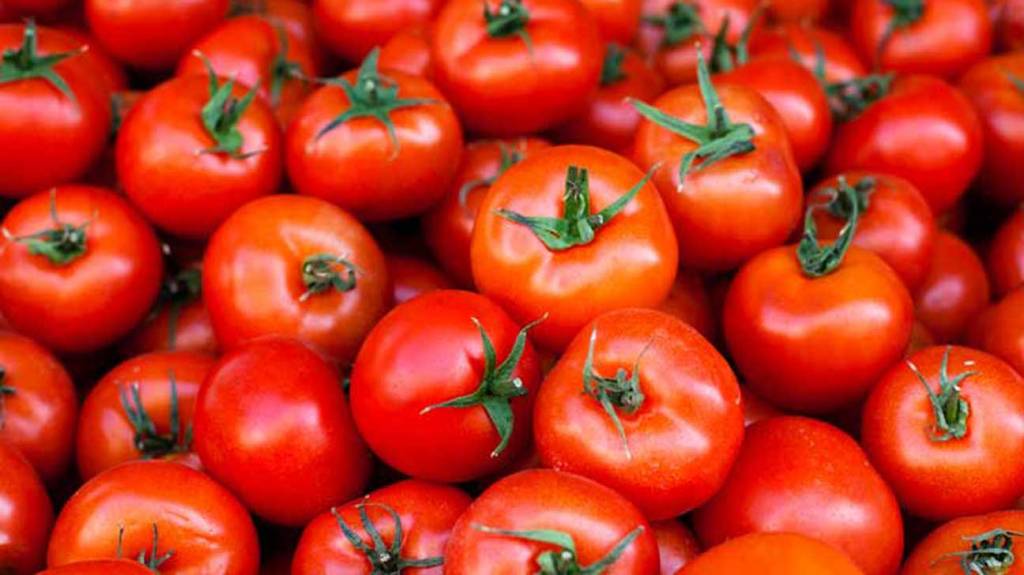
Chilling turns vibrant tomatoes mealy and dull, masking their signature juicy flavor. For best taste, keep them at room temperature.
2. Potatoes
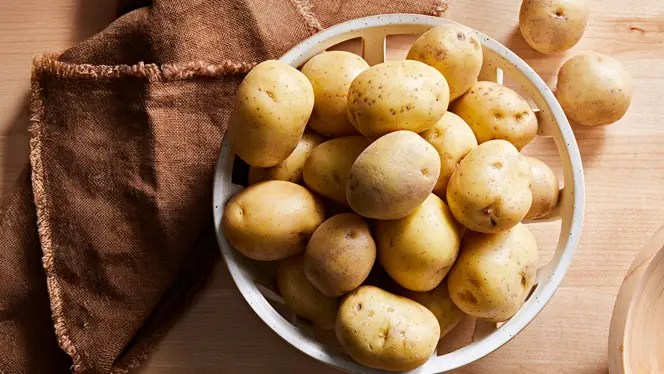
Cold converts potato starch into sugar, altering taste and texture—resulting in gritty, overly sweet tubers. A cool, dark pantry is ideal.
3. Onions (Whole)
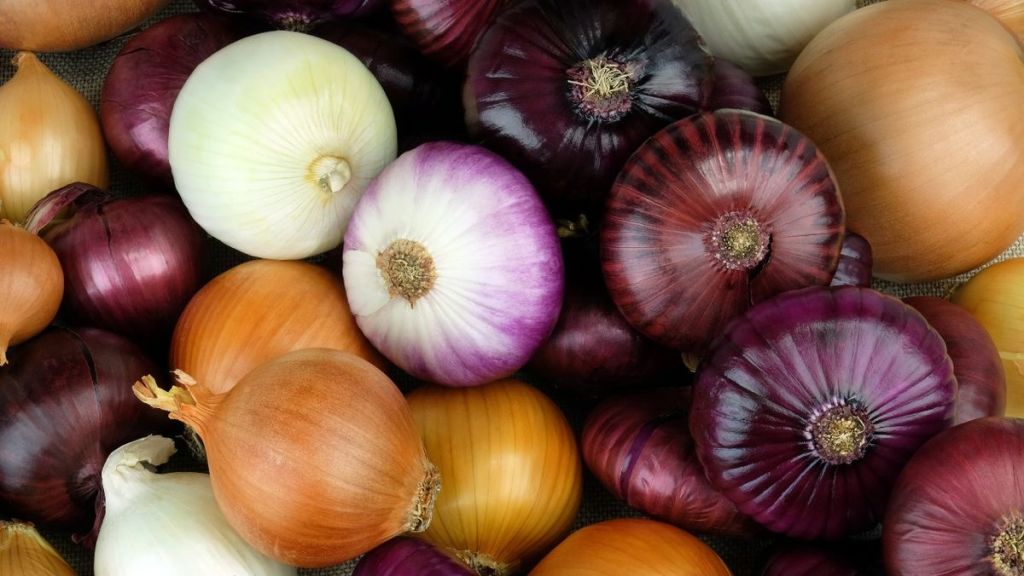
Fridge humidity encourages mold and softness. Store whole onions in a dry, ventilated pantry—away from potatoes for best longevity.
4. Garlic
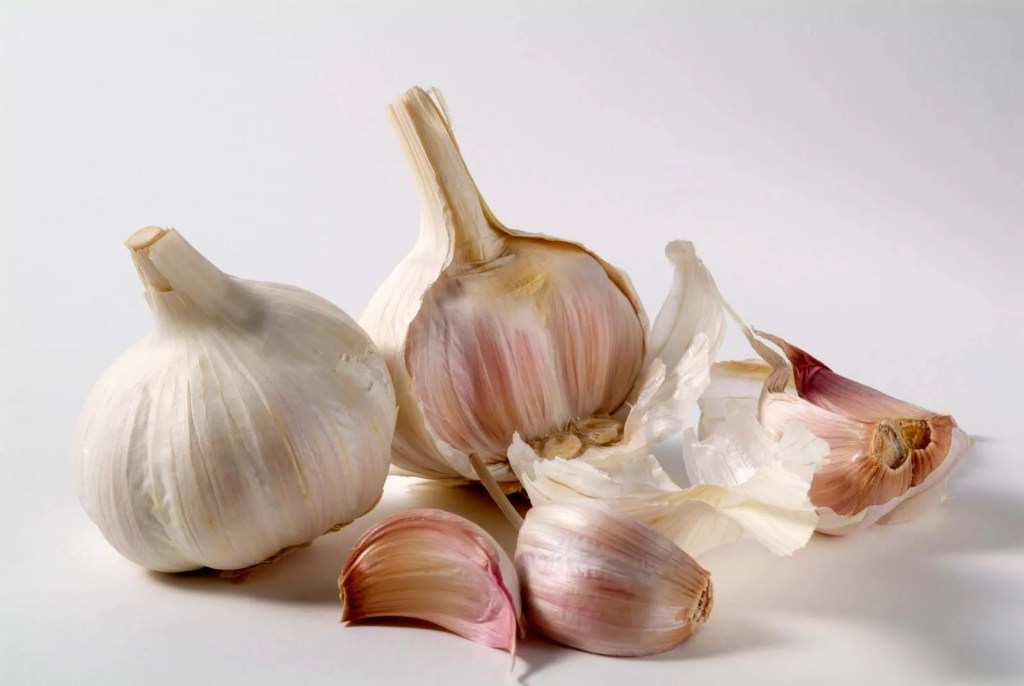
Similar to onions, garlic’s flavor and firmness suffer in the cold. A cool, dry cupboard is best.
5. Bread
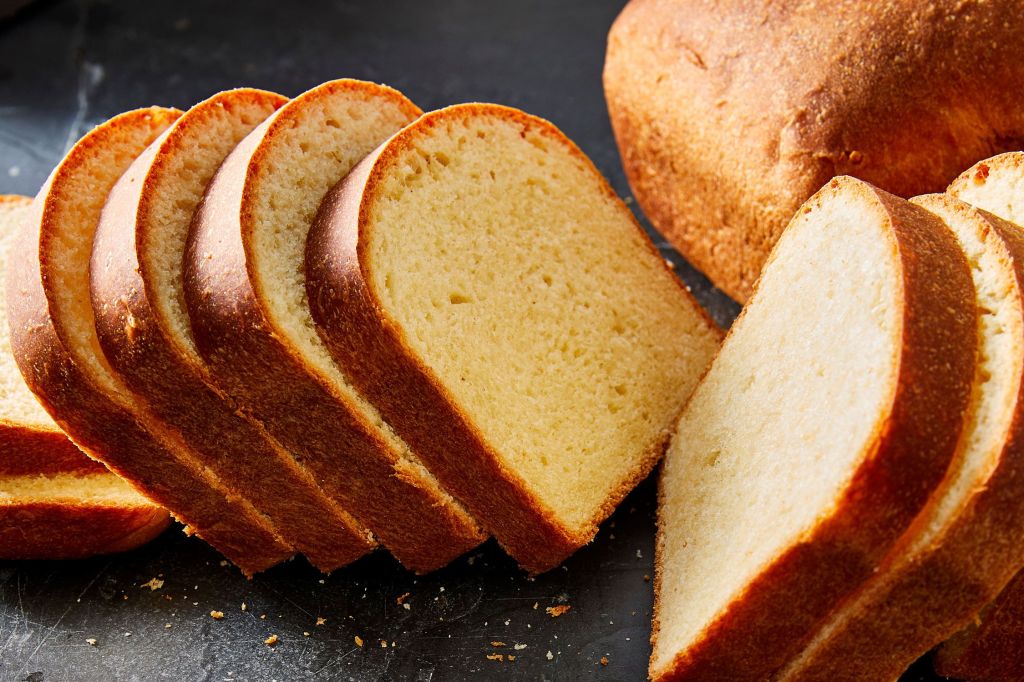
Chilling accelerates staling—fridge bread quickly turns dry. Instead, leave fresh loaves at room temperature or freeze for long-term storage.
6. Honey
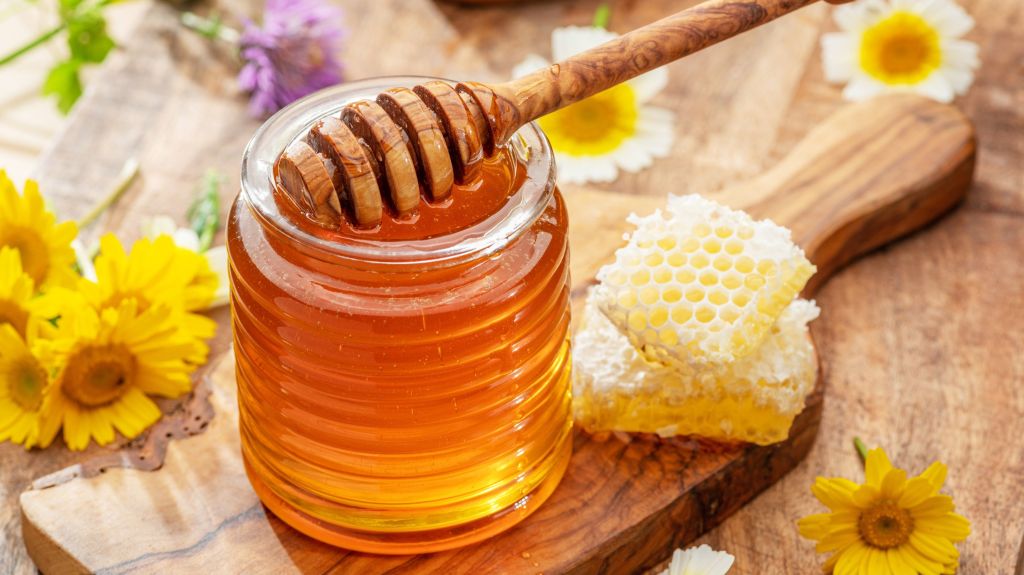
Refrigeration hastens honey’s crystallization, making it hard and less smooth. It thrives stored in a cool pantry.
7. Coffee (Beans & Grounds)
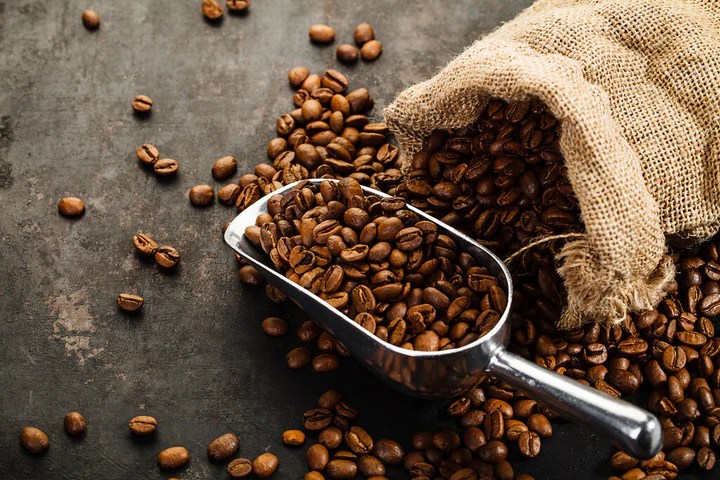
Fridge moisture and odors degrade coffee’s aroma and flavor. An airtight container in a cool, dark pantry preserves its freshness far longer.
8. Avocados
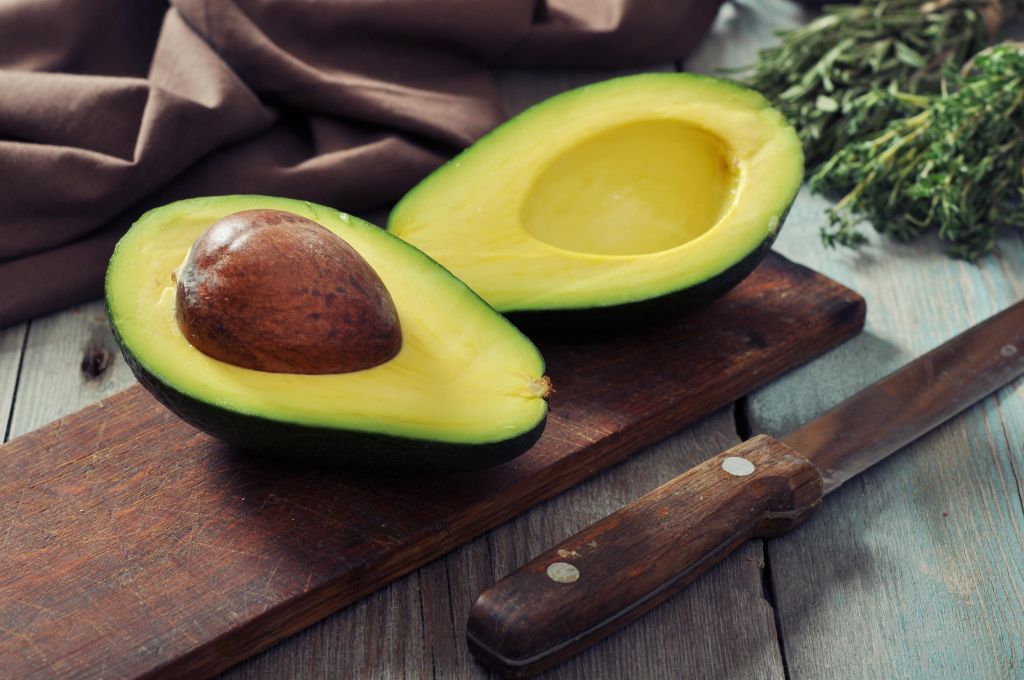
Chilling halts ripening. Let avocados ripen on the counter for the perfect creamy texture, then refrigerate only if needed after ripening.
9. Melons (Whole)
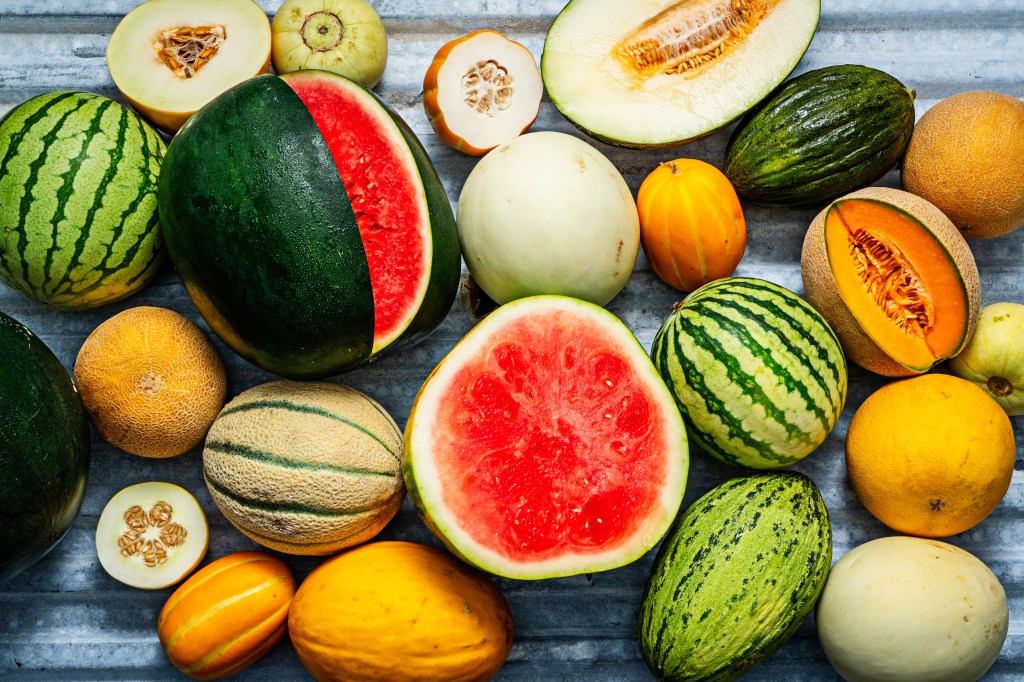
Whole melons—like watermelon, cantaloupe, and honeydew—ripen and retain flavor best at room temperature. Only slice and refrigerate when needed.
10. Berries
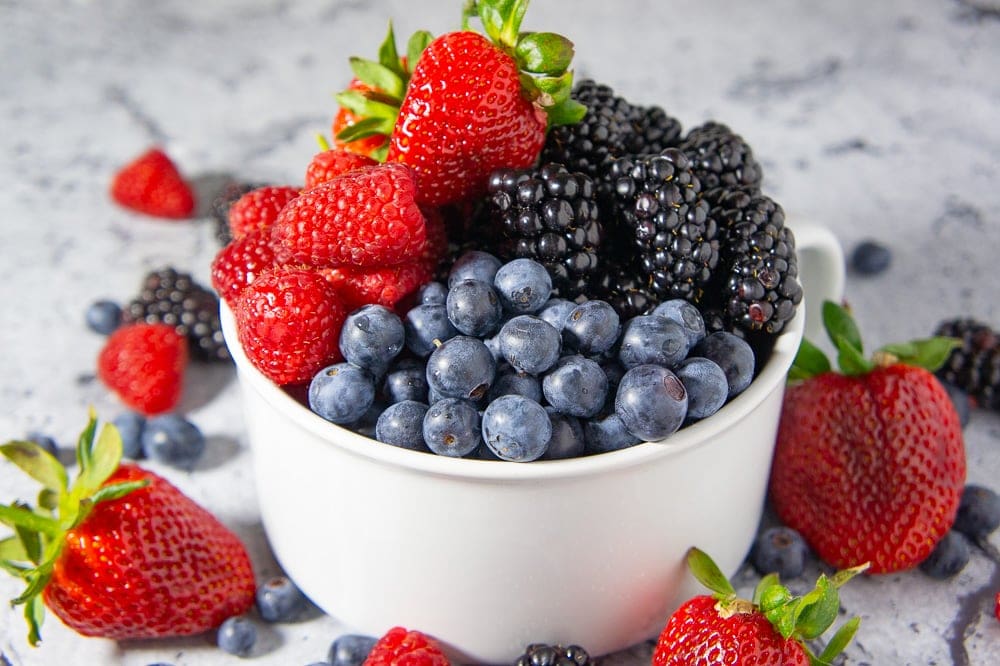
Cold and moisture accelerate mold growth in delicate berries. Store them at room temperature and wash just before use.
11. Bell Peppers & Cucumbers
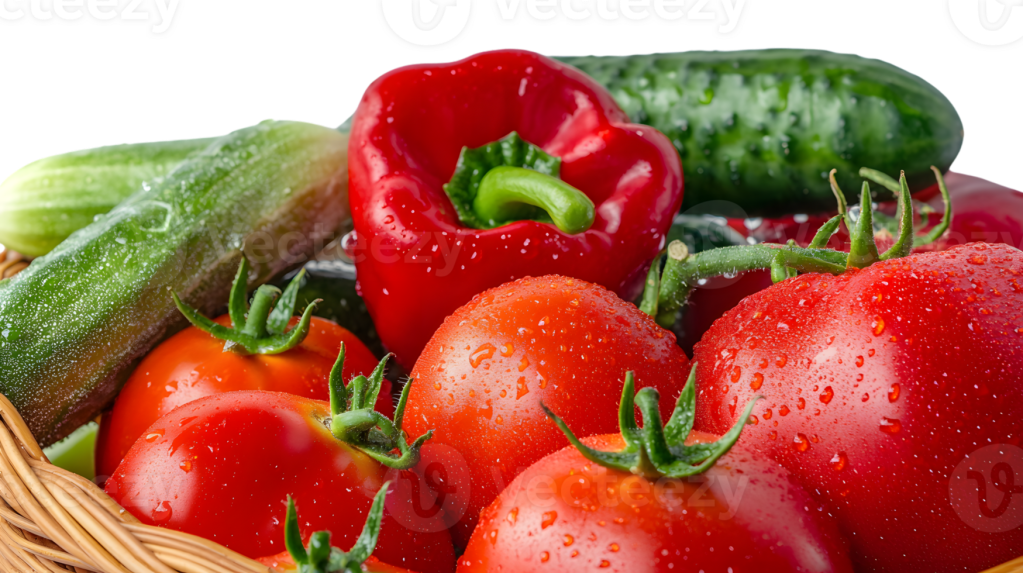
Refrigeration can rob bell peppers of crispness and cause cucumbers to become watery or develop pits. A countertop or pantry keeps them crunchy and tasty.
12. Oils (especially Olive Oil)
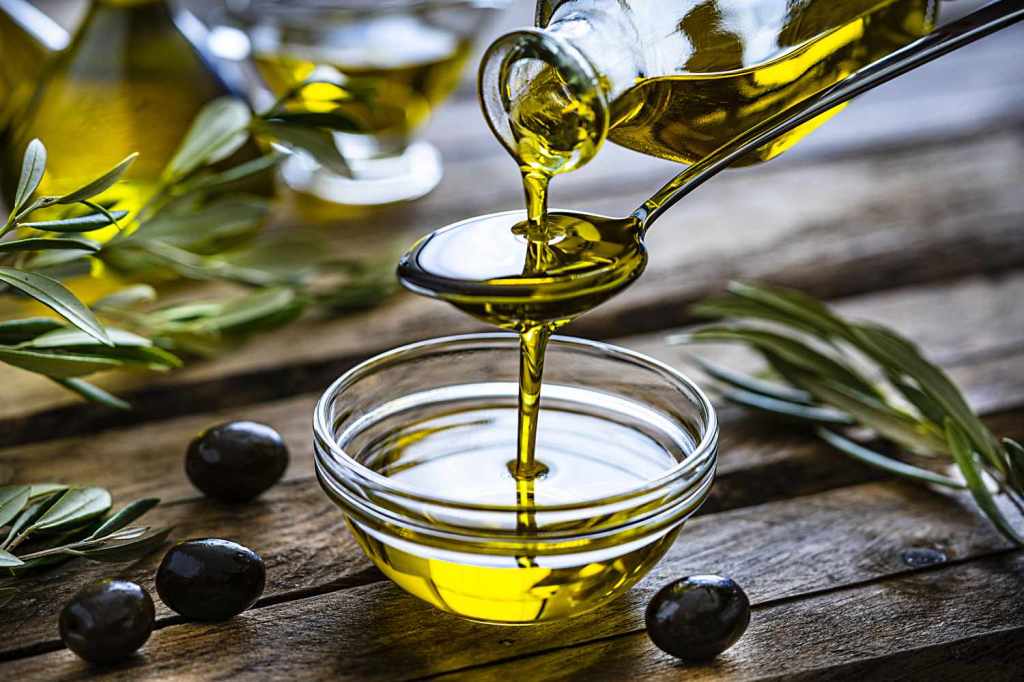
Cold thickens and clouds oils like olive and vegetable oil. Store them in cool, dark places to preserve clarity and flavor.
13. Herbs (e.g., Basil)
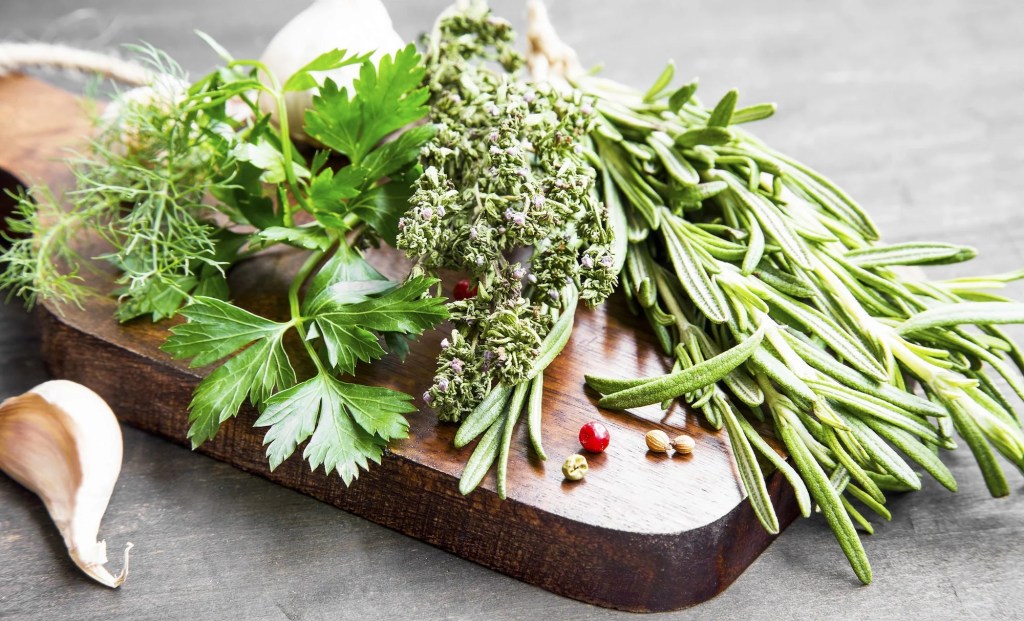
Refrigeration wilts delicate herbs. Basil especially thrives when its stems rest in water on the counter—fresh and vibrant for longer.
14. Hot Sauce (vinegar-based)
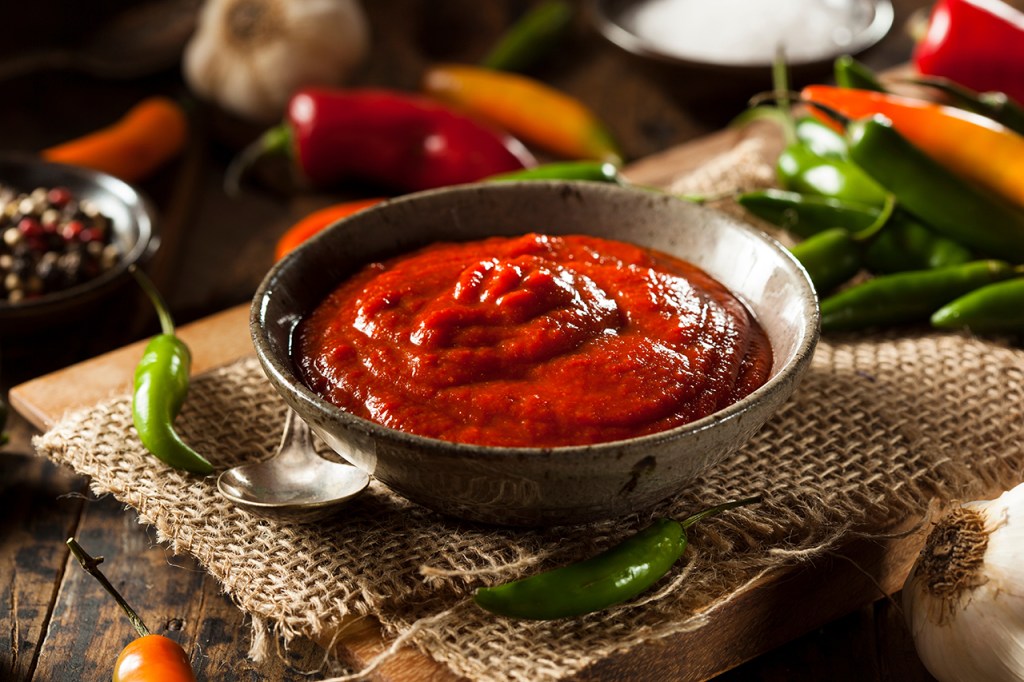
Most vinegar-heavy hot sauces store safely at room temperature, retaining their heat and flavor. Only refrigerate varieties with fresh or fermented ingredients.
15. Chocolate Spreads & Chocolate

Chilled chocolate can develop graininess and dull flavor. Keep it in a cool, dry pantry for optimal texture and taste.
What About Food Safety?
This post targets ingredients that remain safe at room temperature. Quickly perishable items—like meats, dairy, and cooked rice—should still be refrigerated promptly. For example, rice left out too long can harbor toxins even after reheating.
Quick Reference Table
| Item | Why Not Fridge? | Better Storage |
|---|---|---|
| Tomatoes | Becomes mealy, loses flavor | Counter |
| Potatoes | Gritty, overly sweet due to starch conversion | Pantry, cool |
| Onions & Garlic | Mold, spoilage due to moisture | Dry pantry |
| Bread | Dries out quickly | Counter or freezer |
| Honey | Crystallizes | Pantry |
| Coffee | Absorbs moisture/odors | Airtight pantry container |
| Avocados | Stalls ripening | Counter until ripe |
| Whole Melons | Flavor muted if chilled | Counter until cut |
| Berries | Mold risk due to moisture | Counter, wash later |
| Peppers & Cucumbers | Texture loss, wateriness | Counter or pantry |
| Oils | Cloudy, thick if cold | Cool, dark cupboard |
| Herbs (e.g., Basil) | Wilts, loses vibrancy | Stem in water, countertop |
| Hot Sauce (vinegar-based) | Often stable; misread packaging | Pantry (unless fresh-added ingredients) |
| Chocolate / Spreads | Graininess, dull taste | Pantry |
Chilling isn’t a one-size-fits-all answer
By tuning into how individual foods respond to temperature and moisture, you not only extend shelf life, but unlock deeper flavors and textures. Preserving quality often means giving ingredients the environment they actually thrive in—whether that’s a cool pantry, countertop, or glass of water for basil stems.




 Sure Media Magazine
Leave a comment